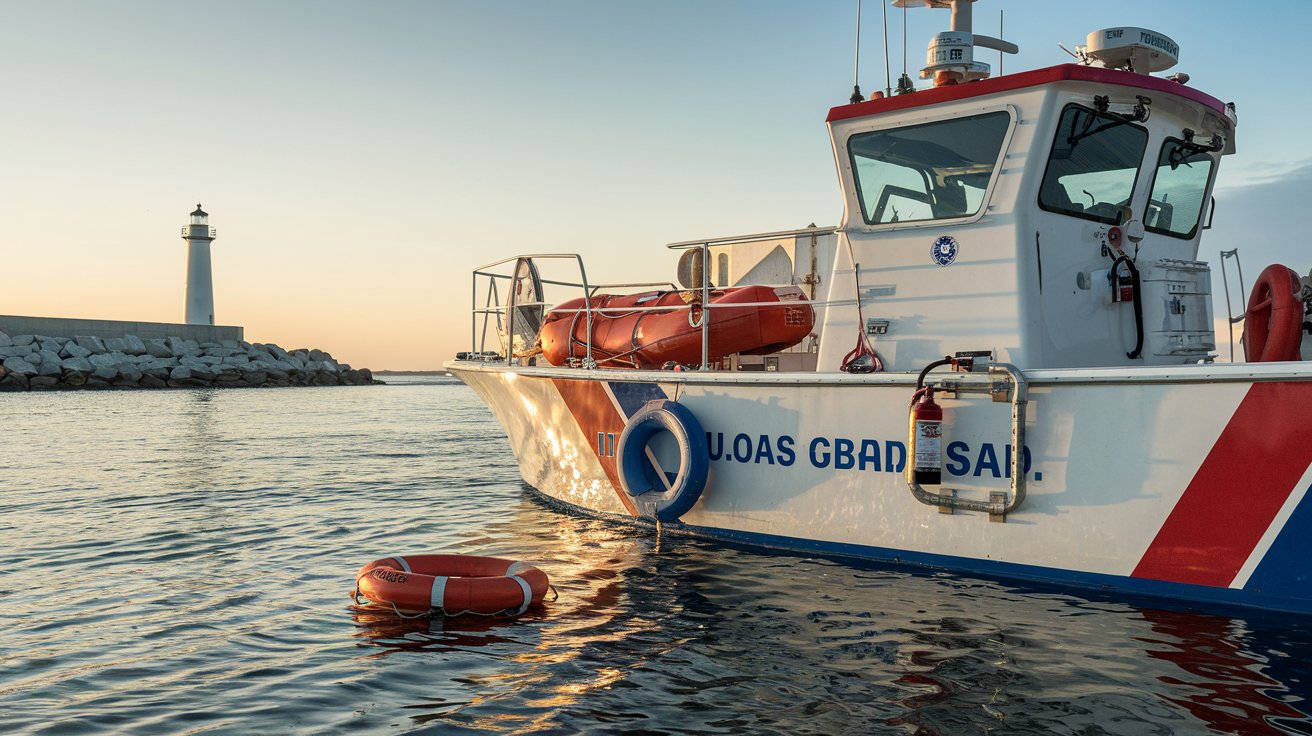
Boating offers incredible recreational opportunities, but safety must always come first for first-time boaters. With over 4,300 recreational boating accidents reported annually in the United States, understanding proper safety protocols can prevent tragedy and ensure enjoyable water experiences. These essential boating safety tips will help newcomers navigate waters confidently while protecting themselves, passengers, and other boaters.
Pre-Departure Safety Essentials for New Boaters
Before setting foot on any boat, thorough preparation prevents accidents and ensures compliance with federal boating regulations. The U.S. Coast Guard mandates specific safety requirements that vary by vessel size and location. First-time boaters should dedicate adequate time to pre-departure planning, including weather assessment, equipment inspection, and route planning. This preparation phase often determines the difference between a safe, enjoyable outing and a potentially dangerous situation.
Weather conditions change rapidly on water, making accurate forecasting crucial for boating safety. Check National Weather Service marine forecasts, wind speeds, wave heights, and visibility conditions before departure. Avoid boating during small craft advisories, thunderstorms, or fog conditions. Water amplifies weather impacts, turning manageable land conditions into hazardous situations. Plan return times well before sunset, as darkness significantly increases navigation challenges and accident risks.
Essential Pre-Trip Boat Inspection Checklist
Conducting a comprehensive boat inspection ensures mechanical reliability and safety compliance before departure. Check fuel levels, engine oil, battery charge, and cooling system operation. Inspect hull integrity for cracks, loose fittings, or water intrusion. Test navigation lights, horn, and radio communications. Verify that drain plugs are properly installed and bilge pumps function correctly. Document any deficiencies and address them before launching.
Creating and Filing a Float Plan
A detailed float plan provides critical information for emergency responders if problems arise. Include departure and return times, planned route, passenger names, boat description, and emergency contacts. File plans with reliable friends, family members, or marina personnel who will alert authorities if you fail to return. Update plans if routes or timing change during the trip. This simple step significantly improves rescue response times and success rates.
Mandatory Safety Equipment and Life Jacket Requirements
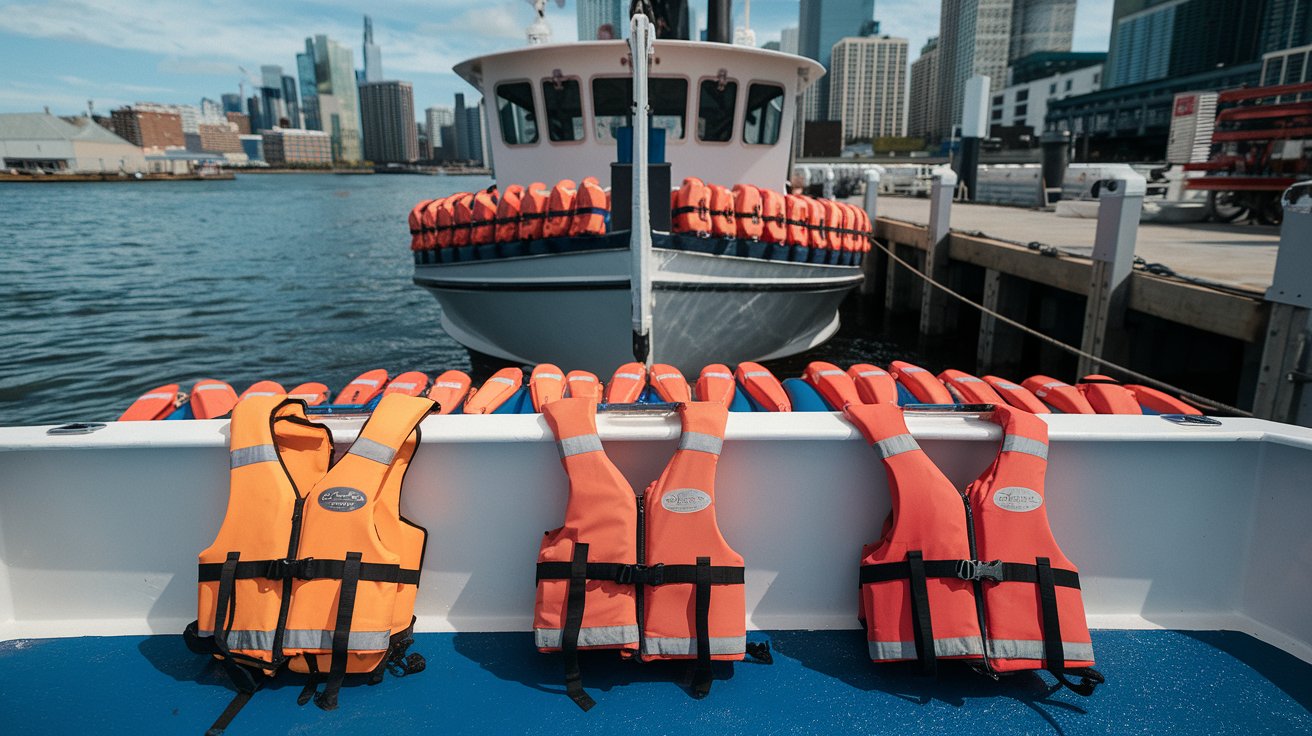
Federal law requires specific safety equipment based on vessel length and passenger capacity. All boats must carry Coast Guard-approved life jackets for each person aboard, with additional requirements for boats over 16 feet. Fire extinguishers, visual distress signals, sound-producing devices, and navigation lights are mandatory depending on boat specifications. State regulations may impose additional equipment requirements, making local compliance research essential.
Life jacket selection involves more than meeting minimum legal requirements. Properly fitted life jackets save lives when worn consistently throughout boating activities. Choose Coast Guard Type I, II, III, or V jackets based on water conditions and activities. Type I jackets provide maximum buoyancy for rough waters, while Type III jackets offer comfort for calm water recreation. Ensure proper sizing, secure fastening, and regular inspection for wear or damage.
Fire Safety Equipment and Placement
Boats with enclosed engine compartments, fuel tanks, or cooking facilities require Coast Guard-approved fire extinguishers positioned for easy access. Mount extinguishers away from potential fire sources but within quick reach of the helm and engine areas. Check pressure gauges monthly and replace expired units immediately. Understand different extinguisher types: Class B for fuel and oil fires, Class C for electrical fires. Never use water on fuel or electrical fires.
Visual and Sound Signal Requirements
Visual distress signals are mandatory for boats operating on coastal waters and connected waterways. Carry day signals like orange smoke or flags, plus night signals such as flares or electric lights. Sound signals include horns, whistles, or bells for fog navigation and emergency communication. Replace expired pyrotechnic signals annually and store them in waterproof containers. Practice proper signal usage before emergencies occur.
Understanding the Three R’s of Boating Navigation
The three R’s of boating – Rules, Right-of-way, and Responsibility – form the foundation of safe navigation practices. Rules encompass federal navigation regulations, local ordinances, and common courtesy protocols. Right-of-way determines which vessel must give way in various encounter situations. Responsibility requires every operator to maintain proper lookout, safe speed, and collision avoidance regardless of right-of-way status.
Navigation rules prevent collisions and maintain orderly water traffic flow. Understand crossing situations, overtaking protocols, and head-on encounters. When two boats approach each other, the vessel on the right has right-of-way. Overtaking boats must pass on the port side of the vessel being passed. In head-on situations, both boats should turn to starboard (right) to pass port-to-port. These basic rules apply universally on U.S. waters.
Port vs Starboard Navigation Memory Techniques
Remembering port versus starboard becomes easier with reliable memory techniques and visual cues. Port (left side) contains four letters, matching the four letters in ‘left.’ Port wine is red, matching red port navigation lights. Starboard (right side) connects with ‘star,’ which rises in the east (right on maps). Practice these associations until they become automatic, as confusion during navigation creates dangerous situations.
Understanding Sound Signals and Their Meanings
Boat horn signals communicate intentions and warnings to nearby vessels. Five short blasts indicate danger or uncertainty about another vessel’s intentions. One short blast signals intent to pass on your starboard side, while two short blasts indicate port side passing. Three short blasts mean you’re operating in reverse. Long blasts are used in fog conditions to indicate your presence and position.
Safe Speed and Capacity Management
Operating at safe speeds requires constant assessment of weather conditions, water traffic, and visibility factors. Federal regulations mandate speeds that allow operators to take proper action to avoid collisions. This doesn’t mean maximum speed capabilities, but rather speeds appropriate for current conditions. Factors include wind, waves, fog, boat traffic density, and proximity to swimmers or divers.
Boat capacity limits prevent overloading that compromises stability, performance, and safety margins. Check manufacturer capacity plates for maximum weight and passenger limits. Include fuel, equipment, and supplies in weight calculations. Distribute weight evenly to maintain proper trim and handling characteristics. Overloading increases capsizing risk, reduces freeboard, and impairs emergency maneuverability.
Alcohol Safety and Boating Under the Influence Laws
Boating under the influence carries serious legal consequences and dramatically increases accident risks. Federal law sets blood alcohol concentration limits at 0.08% for boat operators, with many states imposing stricter standards. Alcohol impairs judgment, reaction time, balance, and vision – all critical for safe boat operation. Sun, wind, wave motion, and dehydration amplify alcohol effects on water.
Designated operator programs provide safe alternatives for social boating activities. Rotate operator responsibilities among qualified, sober individuals. Plan alcohol consumption after anchoring or docking, never while underway. Understand that boat operators face the same DUI penalties as automobile drivers, including fines, license suspension, and criminal charges. Coast Guard boarding officers actively enforce these regulations during safety inspections.
Emergency Procedures and Communication Protocols
Emergency preparedness involves understanding proper distress communication procedures and response protocols. VHF radios provide reliable communication for emergencies, weather updates, and marina contact. Channel 16 serves as the international distress frequency monitored by Coast Guard stations. Cell phones work near shore but become unreliable in offshore areas. Consider satellite communication devices for extended offshore activities.
Emergency response procedures vary based on situation severity and available resources. Practice emergency drills with passengers before departure, covering life jacket deployment, distress signal activation, and emergency contact procedures. Know when to call for assistance versus attempting self-rescue. Maintain emergency supply kits including first aid materials, signaling devices, emergency food and water, and tools for basic repairs.
Man Overboard Recovery Procedures
Man overboard situations require immediate action and systematic recovery procedures. Designate a spotter to maintain visual contact with the person in water while the operator executes recovery maneuvers. Throw flotation devices immediately, approach from downwind, and shut off engines when close. Practice these procedures in controlled conditions to build muscle memory and confidence for real emergencies.
Grounding and Towing Assistance
Grounding incidents require careful assessment to prevent hull damage and environmental harm. Stop engines immediately to avoid propeller damage. Check for leaks and passenger injuries before attempting refloating. Use tide changes, weight redistribution, or professional towing assistance based on situation severity. Never continue operating damaged vessels without proper inspection and repairs.
Docking and Marina Safety Techniques
Safe docking requires understanding wind, current, and boat handling characteristics in confined spaces. Approach docks slowly at shallow angles, using reverse thrust and steering inputs to control approach speed and direction. Prepare dock lines and fenders before arrival. Assign crew members specific responsibilities for line handling and fendering. Practice docking procedures in open water to build confidence and skill.
Marina etiquette and safety protocols ensure courteous and safe facility usage. Observe no-wake zones, speed limits, and traffic patterns within marina areas. Secure vessels properly with adequate dock lines and fenders. Respect neighboring boats and marina property. Understand fuel dock procedures, waste disposal requirements, and emergency contact information for each facility visited.
Related video about boating safety tips for first timers
This video complements the article information with a practical visual demonstration.
Questions & Answers
What are the three R’s in boating?
The three R’s in boating are Rules, Right-of-way, and Responsibility. Rules refer to navigation regulations and local ordinances. Right-of-way determines which vessel must yield in encounter situations. Responsibility means every operator must maintain proper lookout and safe speed regardless of right-of-way status to prevent collisions.
What do 5 short blasts from a boat mean?
Five short blasts from a boat horn signal danger or uncertainty about another vessel’s intentions. This is an emergency warning indicating the signaling vessel is unsure about the other boat’s planned actions and potential collision risk exists. All nearby vessels should take immediate evasive action and clarify intentions through proper communication.
What not to eat before boating?
Avoid heavy, greasy, or spicy foods before boating as they can increase seasickness susceptibility. Dairy products, alcohol, and excessive caffeine should also be avoided. Instead, eat light, bland foods like crackers, toast, or bananas. Stay hydrated with water and avoid empty stomach boating, which can worsen motion sickness symptoms.
How do I remember port vs starboard?
Remember port versus starboard using these techniques: Port (left) has four letters like ‘left’ has four letters. Port wine is red, matching red port navigation lights. Starboard connects with ‘star’ which rises in the east (right side of maps). Practice these memory aids until they become automatic for safe navigation.
What safety equipment is required on boats in 2026?
Required safety equipment includes Coast Guard-approved life jackets for each person, fire extinguishers for boats with enclosed spaces, visual distress signals for coastal waters, sound signaling devices, and navigation lights. Requirements vary by boat length, with vessels over 16 feet having additional mandates for throwable flotation devices and emergency communication equipment.
When should first-time boaters take a safety course?
First-time boaters should complete a Coast Guard Auxiliary or Power Squadron safety course before their first trip. Many states require boater education certificates for operators, with age requirements varying by jurisdiction. These courses cover navigation rules, emergency procedures, and local regulations essential for safe boating practices.
| Safety Category | Essential Requirements | Safety Benefit |
|---|---|---|
| Life Jackets | Coast Guard-approved for each person, properly fitted | Prevents drowning, required by federal law |
| Pre-Trip Planning | Weather check, float plan, boat inspection | Prevents emergencies, enables quick rescue response |
| Navigation Rules | Right-of-way knowledge, sound signals, safe speed | Prevents collisions, maintains traffic order |
| Emergency Equipment | Fire extinguishers, distress signals, communication | Enables emergency response, meets legal requirements |
| Alcohol Policy | Designated operator, 0.08% BAC limit compliance | Prevents impaired operation, avoids legal penalties |