Understanding how many life jackets you need is crucial for safe boating in the United States. Federal law requires one USCG-approved life jacket per person on board, with specific additional requirements based on boat size and type. This comprehensive guide covers all 2026 requirements, types, and safety considerations for recreational boaters.
Federal Life Jacket Requirements in the United States
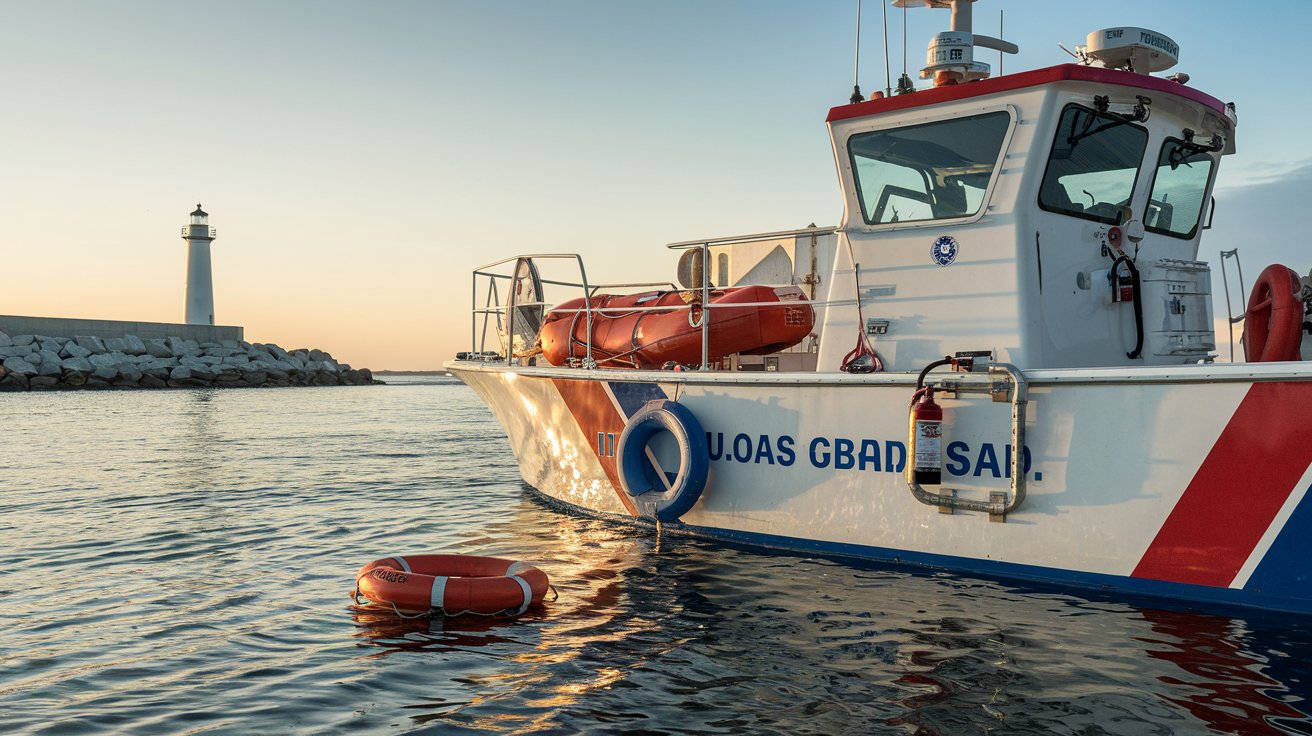
The U.S. Coast Guard mandates that all recreational vessels carry one wearable personal flotation device (PFD) for each person on board. This fundamental requirement applies to boats of all sizes operating in U.S. waters. Additionally, vessels 16 feet and longer must carry one throwable flotation device, such as a ring buoy or cushion, that can be thrown to someone in the water.
These life jacket requirements are enforced by the Coast Guard and state boating authorities. Violations can result in fines ranging from $100 to $5,000 depending on the state and severity of the violation. The devices must be USCG-approved, properly sized for each individual, and in serviceable condition to meet legal requirements.
Minimum Requirements by Vessel Length
Vessels under 16 feet require one wearable life jacket per person on board, with no additional throwable device required. Boats 16 feet and longer must carry one wearable PFD per person plus one throwable Type IV device. Commercial vessels and those carrying passengers for hire have additional requirements including specific crew training and equipment inspections.
State-Specific Additional Requirements
Many states have implemented additional life jacket requirements beyond federal minimums. For example, California requires children under 13 to wear life jackets on vessels under 26 feet when underway. Florida mandates that children under 6 wear life jackets at all times when on vessels under 26 feet. These state regulations often supersede federal requirements when they are more restrictive.
Types of Life Jackets and Their Applications
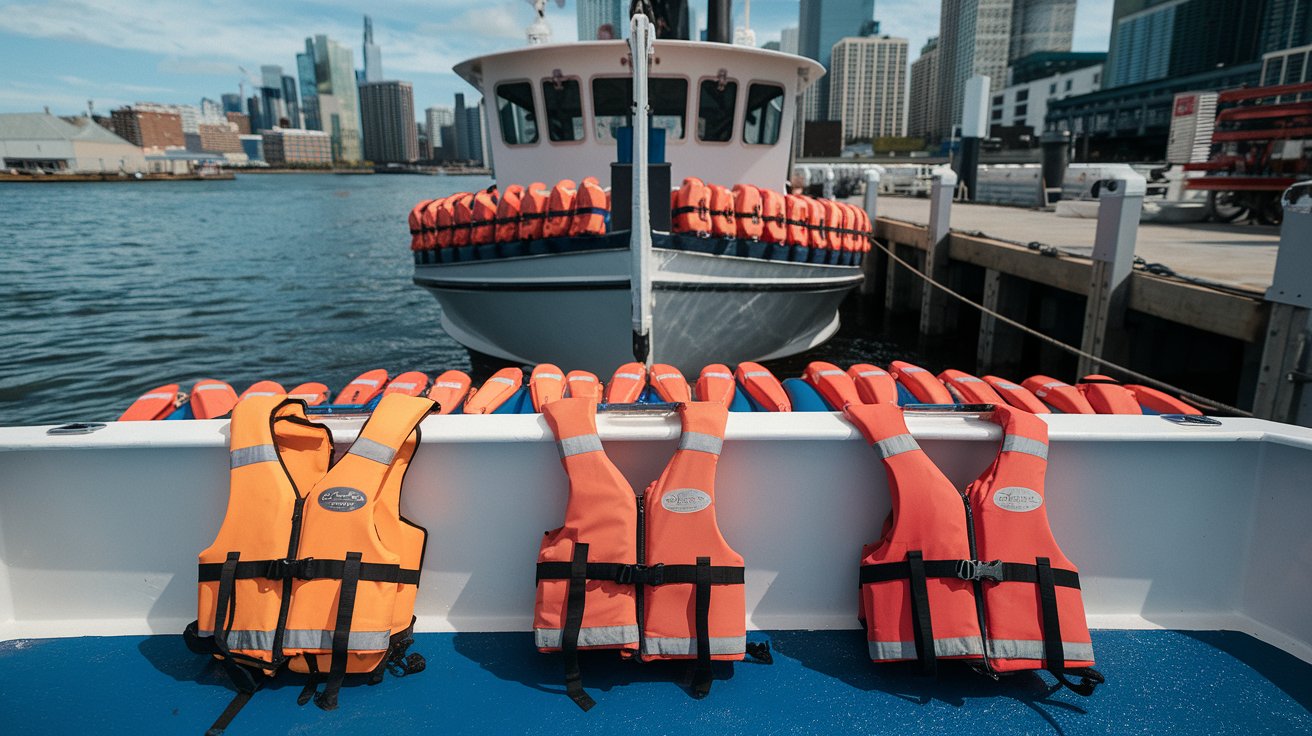
The Coast Guard classifies life jackets into five types, each designed for specific water conditions and activities. Type I offshore life jackets provide the most buoyancy (22 pounds minimum) and are designed to turn unconscious wearers face-up in rough water. Type II near-shore buoyant vests offer 15.5 pounds of buoyancy and are suitable for calm inland waters where rescue is likely to be quick.
Type III flotation aids provide 15.5 pounds of buoyancy and are designed for conscious wearers in calm water. These are popular for water sports and recreational boating. Type IV throwable devices include ring buoys, horseshoe buoys, and seat cushions, while Type V special use devices are designed for specific activities like kayaking or commercial use.
Choosing the Right Type for Your Activity
For offshore fishing or sailing, Type I life jackets provide maximum protection with their high buoyancy and self-righting capabilities. Recreational boating in calm waters typically calls for Type II or Type III devices, which offer comfort and mobility while providing adequate flotation. Water sports enthusiasts often prefer Type III jackets for their freedom of movement and sport-specific designs.
Buoyancy Requirements by Body Weight
Adult life jackets are designed to support individuals weighing 90 pounds or more, providing sufficient buoyancy to keep the wearer afloat. For a 200-pound person, a standard adult life jacket with 22 pounds of buoyancy provides adequate flotation, as the human body typically requires only 7-12 pounds of additional buoyancy to remain afloat depending on body composition and clothing.
PFD vs Life Jacket: Understanding the Difference
The terms PFD and life jacket are often used interchangeably, but technically all life jackets are personal flotation devices, while not all PFDs qualify as life jackets. True life jackets (Types I and II) are designed to turn unconscious wearers face-up and provide higher buoyancy levels. Flotation aids (Type III) keep conscious wearers afloat but don’t guarantee face-up positioning.
This distinction matters for safety planning and regulatory compliance. Coast Guard-approved devices display official approval numbers and meet strict performance standards for buoyancy, durability, and visibility. Recreational foam devices or water wings don’t meet these standards and cannot substitute for approved flotation devices on boats.
Children’s Life Jacket Requirements
Children’s life jacket requirements are more stringent than adult regulations in most states. The Coast Guard recommends that children wear life jackets at all times when on or near water, regardless of swimming ability. Child-specific PFDs are designed with additional safety features including head support, crotch straps to prevent the jacket from riding up, and bright colors for visibility.
Infant life jackets are designed for babies under 30 pounds and include features like head support pillows and grab handles for easy rescue. Children’s PFDs must be properly fitted to be effective, with the jacket sitting snugly without restricting breathing or movement. Parents should check that the jacket doesn’t slip over the child’s head when properly fastened.
Age-Specific State Regulations
Most states require children under a certain age to wear life jackets while boating. Common age thresholds include 6, 12, or 13 years old, varying by state. Some states like New York require all children under 12 to wear life jackets on vessels under 65 feet, while others focus on specific vessel types or water conditions. These laws apply regardless of the child’s swimming ability.
Proper Sizing and Fit for Children
Children’s life jackets are sized by weight rather than age, ensuring proper buoyancy and fit. Infant jackets accommodate weights up to 30 pounds, child sizes cover 30-50 pounds, and youth sizes fit 50-90 pounds. The jacket should fit snugly with all straps and zippers secured, and when properly fitted, adults shouldn’t be able to pull the jacket off over the child’s head.
Specialized Life Jackets for Water Activities
Activity-specific life jackets are designed to meet the unique demands of different water sports while maintaining Coast Guard approval. Fishing PFDs feature multiple pockets for tackle storage and rod holders, while maintaining full flotation capabilities. Kayaking life jackets have shorter torsos and armholes positioned for paddle clearance without compromising safety.
Stand-up paddleboard (SUP) life jackets are designed with minimal bulk and maximum mobility to accommodate the paddling motion while providing required flotation. Sailing life jackets often include safety harness attachment points and reflective tape for visibility. Water skiing life jackets are designed to withstand high-speed impacts and provide immediate flotation upon entering the water.
Life Jacket Maintenance and Replacement
Life jackets don’t expire by date, but they do wear out and lose effectiveness over time. Regular inspection should check for tears, broken zippers, missing straps, and compressed foam that no longer provides full buoyancy. Inflatable life jackets require more frequent inspection of CO2 cartridges, inflation mechanisms, and fabric integrity, with cartridges needing replacement after each use or annually.
Proper care extends life jacket lifespan significantly. Rinse with fresh water after saltwater use, air dry completely before storage, and store in a cool, dry place away from direct sunlight. Never use life jackets as boat fenders or seat cushions, as this can damage the foam and reduce buoyancy. Replace any life jacket that shows signs of wear or damage that could compromise its performance.
When to Replace Your Life Jacket
Replace life jackets when foam becomes compressed or hard, straps are frayed or broken, or fabric shows significant wear or tears. Inflatable PFDs should be replaced if the inflation chamber develops leaks, the manual inflation cord breaks, or the fabric coating deteriorates. Generally, foam life jackets last 5-10 years with proper care, while inflatables may need replacement sooner due to their more complex mechanisms.
Storage and Care Best Practices
Proper storage prevents premature deterioration and maintains life jacket effectiveness. Store in a well-ventilated area away from extreme temperatures, chemicals, and UV exposure. Hang or lay flat rather than folding to prevent permanent creases in foam. Clean regularly with mild soap and water, and inspect all hardware including buckles, zippers, and D-rings for corrosion or damage.
Common Misconceptions About Life Jacket Requirements
Many boaters incorrectly believe that good swimmers don’t need life jackets or that seat cushions provide adequate flotation. Coast Guard statistics show that 85% of drowning victims in boating accidents weren’t wearing life jackets, and most were considered good swimmers. Seat cushions and other improvised flotation devices don’t provide reliable buoyancy and can’t substitute for approved PFDs.
Another common misconception is that life jackets automatically turn you face-up. Only Type I offshore life jackets are designed with this capability, and even then, effectiveness depends on proper fit and water conditions. Type III flotation aids keep conscious wearers afloat but don’t guarantee face-up positioning, requiring the wearer to actively maintain proper position in the water.
Cost Considerations and Where to Purchase
Life jacket costs vary significantly based on type, features, and brand quality. Basic foam Type III jackets start around $20-30, while advanced inflatable models can cost $150-300. Mid-range options typically provide the best value for recreational boaters, offering comfort, durability, and Coast Guard approval at reasonable prices. Consider the total cost of ownership, including replacement cartridges for inflatables.
Major retailers like Costco often carry seasonal selections of life jackets at competitive prices, typically featuring basic to mid-range models suitable for recreational use. Marine supply stores offer the widest selection including specialized models for specific activities. Online retailers provide extensive options and detailed specifications, but ensure proper sizing by trying on similar models in stores before purchasing online.
Related video about how many life jackets do you need
This video complements the article information with a practical visual demonstration.
What you should know
How many life jackets do you legally need on a boat in the US?
You need one Coast Guard-approved life jacket for every person on board your boat. Additionally, boats 16 feet and longer must carry one throwable flotation device like a ring buoy or seat cushion. This is federal law and applies to all recreational vessels in US waters.
What’s the difference between Type 1, 2, and 3 life jackets?
Type I offshore life jackets provide 22+ pounds of buoyancy and turn unconscious wearers face-up in rough water. Type II near-shore vests offer 15.5 pounds of buoyancy for calm water where quick rescue is expected. Type III flotation aids provide 15.5 pounds of buoyancy but require conscious wearers to position themselves face-up.
How much buoyancy does a 200 lb person need in a life jacket?
A 200-pound person needs approximately 7-12 pounds of additional buoyancy to stay afloat, depending on body composition and clothing. Standard adult life jackets provide 15.5-22+ pounds of buoyancy, which is more than adequate. The human body naturally has some buoyancy, so life jackets don’t need to support full body weight.
Do life jackets expire and need replacement?
Life jackets don’t have expiration dates, but they wear out over time. Foam life jackets typically last 5-10 years with proper care, while inflatables may need earlier replacement due to complex mechanisms. Replace when foam becomes compressed, straps fray, or fabric shows significant wear that could compromise safety.
Are children required to wear life jackets while boating?
Federal law requires one life jacket per child on board, but many states mandate that children actually wear them while boating. Age requirements vary by state, commonly including children under 6, 12, or 13 years old. These laws typically apply regardless of the child’s swimming ability or boat size.
Can I use a seat cushion instead of a proper life jacket?
Seat cushions can serve as throwable Type IV devices but cannot substitute for wearable life jackets. They don’t provide reliable buoyancy for individual use and aren’t designed to keep a person’s head above water. Every person on board must have access to a proper wearable Coast Guard-approved life jacket.
| Vessel Type | Required Life Jackets | Additional Requirements |
|---|---|---|
| Under 16 feet | One per person on board | State child-wearing laws may apply |
| 16 feet and longer | One per person plus throwable | Type IV throwable device required |
| All recreational boats | Coast Guard approved only | Proper fit and condition essential |