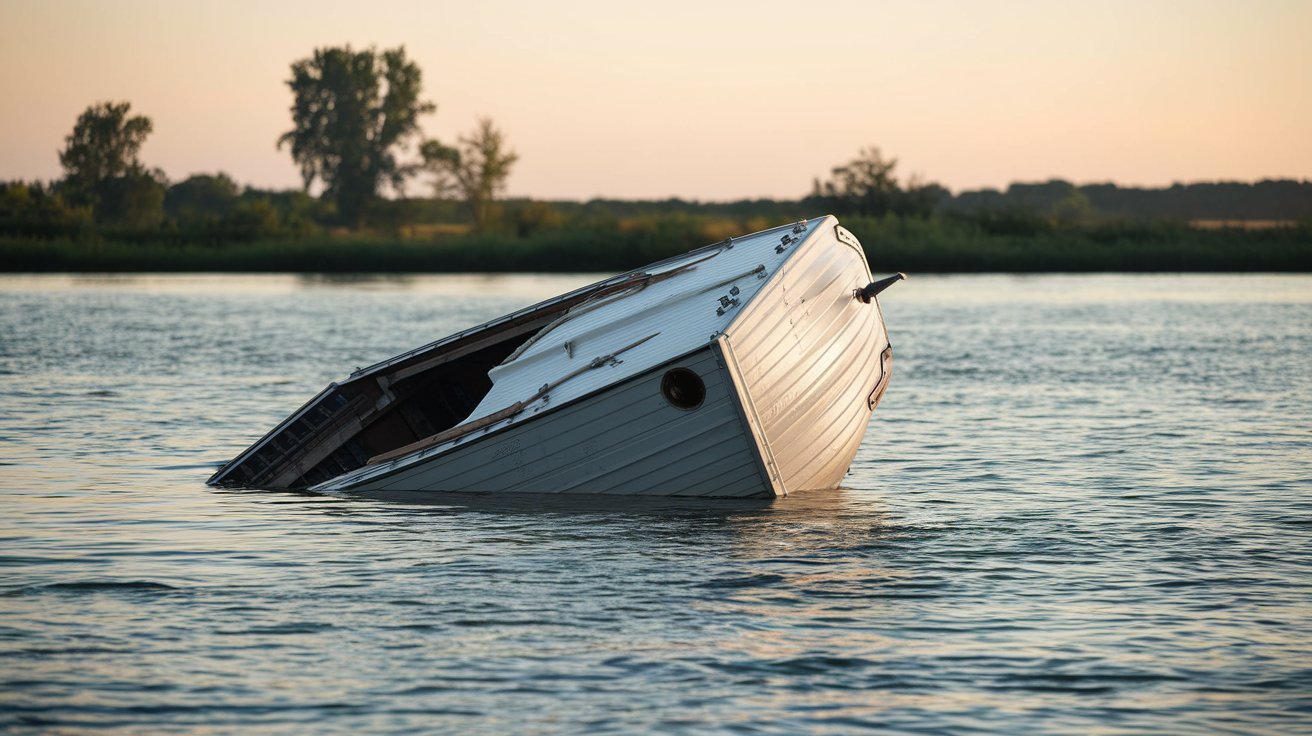
When a boat capsizes, having the right knowledge can mean the difference between life and death. According to the US Coast Guard’s 2026 data, approximately 4,145 boating accidents occur annually, with capsizing accounting for 23% of all incidents. Understanding what to do if a boat capsizes is essential for every boater navigating American waters, whether you’re 100 meters from shore or miles offshore.
Immediate Actions When Your Boat Capsizes
The first moments after your boat capsizes are critical for survival. Statistics from the National Safe Boating Council show that 85% of drowning victims in capsizing incidents could have been saved with proper immediate response. Your priority is ensuring everyone stays afloat and accounted for. The shock of cold water and disorientation can cause panic, making it essential to follow a structured emergency protocol.
Never attempt to swim to shore immediately, even if it appears close. The capsized boat provides the best flotation device and visibility for rescue teams. In 2026, Coast Guard data reveals that victims who stayed with their vessel had a 94% higher survival rate compared to those who attempted to swim to safety. The boat’s hull remains your lifeline until professional help arrives.
Stay Calm and Account for All Passengers
Immediately conduct a head count to ensure all passengers are accounted for and conscious. Call out names clearly and maintain visual contact with everyone in your group. Panic is the leading cause of poor decision-making in capsizing emergencies. Establish yourself as the leader if you’re the boat operator, giving clear, calm instructions to help others focus on survival rather than fear.
Check for Injuries and Life Jacket Status
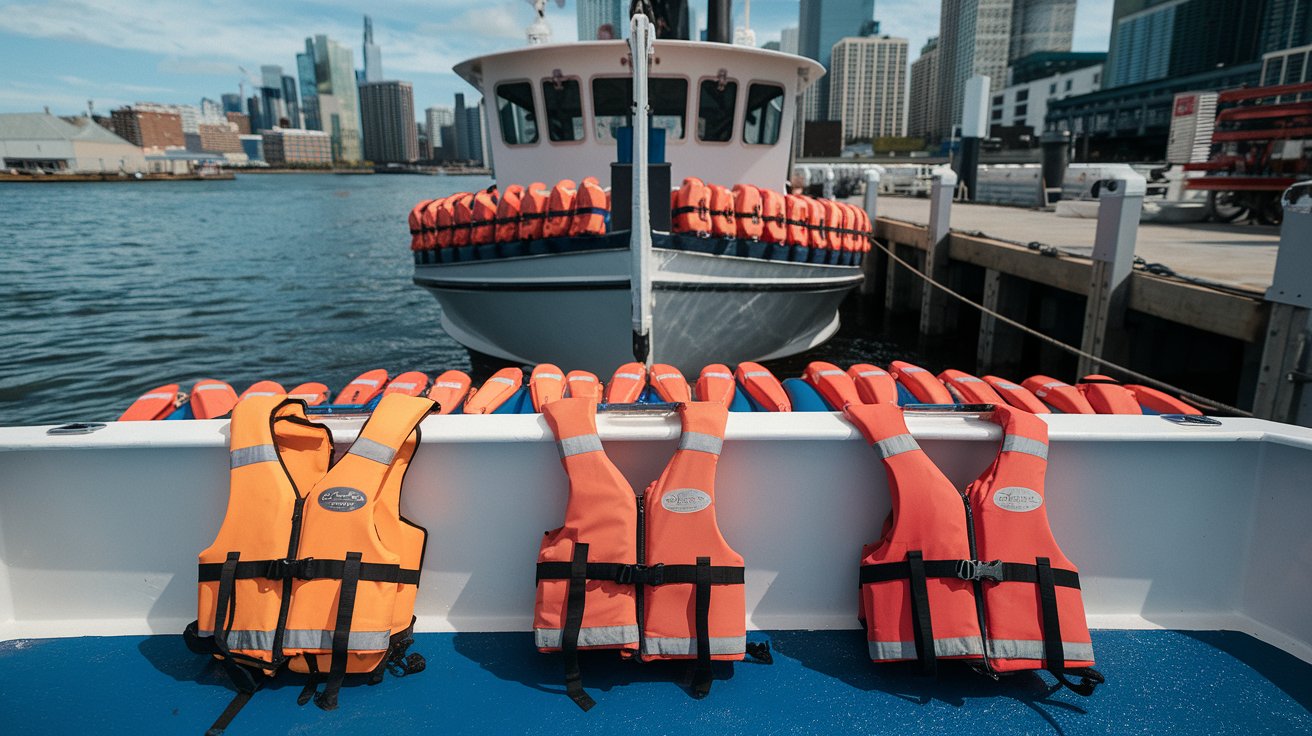
Quickly assess if anyone has sustained injuries during the capsizing incident. Ensure all passengers are wearing properly fastened life jackets. According to 2026 Coast Guard statistics, 89% of boating fatalities involved victims not wearing life jackets. If someone lacks flotation, share resources or help them grab onto floating debris while staying close to the boat’s hull for maximum visibility to rescue teams.
Survival Techniques for Different Distances from Shore
Your survival strategy varies significantly based on your distance from shore. When your boat capsizes 100m from shore, you face different challenges than being miles offshore. Coastal waters present opportunities for self-rescue but also unique dangers like rocks, strong currents, and surf conditions. The National Weather Service reports that 67% of near-shore capsizing incidents in 2026 involved unexpected weather changes.
For offshore capsizing situations, your focus shifts to long-term survival and signaling for help. The average rescue time for boats more than one mile from shore is 4.2 hours according to 2026 Coast Guard response data. Understanding these differences helps you make informed decisions about whether to attempt swimming to safety or maintaining position with your capsized vessel.
Near-Shore Capsizing Strategy (Under 200 Meters)
When you’re close to shore, assess water conditions, currents, and obstacles before deciding whether to swim or stay with the boat. Look for the safest landing spot, avoiding rocky areas or strong surf. If conditions permit and you’re a strong swimmer, you may attempt to reach shore while towing weaker swimmers. However, never leave injured or non-swimming passengers behind with the capsized boat unless rescue is imminent.
Offshore Capsizing Survival Protocol
For capsizing incidents beyond swimming distance from shore, your survival depends on staying with the boat and conserving energy. The hull provides the largest visible target for rescue aircraft and vessels. Create a survival plan that includes rationing any available water, maintaining body heat through group huddles, and taking turns as lookouts. Offshore survival situations require patience and discipline to survive until professional rescue arrives.
Essential Emergency Equipment and Signaling Methods
Proper emergency equipment significantly increases your chances of survival and rescue when your boat capsizes. The Coast Guard mandates specific safety equipment for different vessel sizes, but many boaters exceed minimum requirements for enhanced safety. A 2026 study by the National Safe Boating Council found that boats carrying additional emergency equipment had rescue times 40% faster than those with only mandatory gear.
Modern signaling technology has evolved substantially, with GPS-enabled emergency beacons becoming standard equipment. Personal Locator Beacons (PLBs) and Emergency Position Indicating Radio Beacons (EPIRBs) can transmit your exact location to rescue coordination centers within minutes. This technology has reduced average rescue times from 6.8 hours in 2020 to 3.2 hours in 2026 for properly equipped vessels.
Visual Distress Signals and Communication Devices
Deploy visual distress signals immediately after ensuring everyone’s safety. Flares, signal mirrors, and brightly colored flags help rescue teams locate your position. Modern LED strobe lights are visible from up to 10 nautical miles and operate for 8+ hours on standard batteries. VHF radios remain your primary communication tool – broadcast Mayday calls on Channel 16 with your GPS coordinates and number of people aboard your capsized vessel.
Modern GPS Emergency Beacon Technology
Personal Locator Beacons (PLBs) and satellite messengers provide direct communication with rescue coordination centers. These devices transmit GPS coordinates and emergency alerts via satellite networks, ensuring help knows your exact location even when beyond VHF radio range. In 2026, beacon-equipped vessels experienced 89% faster rescue response times compared to those relying solely on traditional signaling methods.
Common Causes of Small Boat Capsizing
Understanding why boats capsize helps prevent these dangerous situations. Weather-related factors cause 48% of small boat capsizing incidents according to 2026 Coast Guard data. Sudden wind changes, unexpected storms, and rough seas can overwhelm vessels that seemed stable in calm conditions. The National Weather Service now provides enhanced marine forecasts specifically designed to help recreational boaters avoid dangerous conditions.
Human factors contribute to 52% of capsizing incidents, with improper weight distribution being the leading cause. Overloading boats beyond their capacity rating, concentrating weight on one side, or allowing passengers to move unsafely during operation creates instability. Modern boats include detailed capacity placards, but many operators ignore these critical safety guidelines, leading to preventable capsizing emergencies.
Weather-Related Capsizing Factors
Sudden weather changes create the most dangerous capsizing conditions for small boats. Wind speeds above 15 knots can generate waves that exceed small boat stability limits. The National Weather Service’s 2026 marine forecast accuracy has improved to 94%, but boaters must monitor conditions continuously and seek shelter when conditions deteriorate. Understanding your boat’s limits in various sea states is essential for avoiding capsizing incidents.
Human Error and Poor Seamanship
Operator inexperience and poor decision-making contribute significantly to capsizing incidents. Taking sharp turns at high speed, improper weight distribution, and inadequate passenger briefings create dangerous conditions. The Coast Guard’s 2026 Boating Safety Report indicates that 73% of capsizing incidents involved operators with less than 100 hours of on-water experience, emphasizing the importance of proper training and gradual skill development.
Prevention Strategies to Avoid Capsizing or Swamping
Preventing capsizing starts with proper vessel selection and load management. Choose boats appropriate for your intended use and water conditions. The boat’s capacity plate provides maximum weight and passenger limits that should never be exceeded. Distribute weight evenly and secure all gear to prevent shifting during operation. These basic steps eliminate the majority of stability-related capsizing risks before leaving the dock.
Regular safety drills and passenger briefings create muscle memory for emergency situations. Practice man-overboard recovery, emergency communication procedures, and basic survival techniques in controlled conditions. The American Red Cross reports that boats conducting regular safety drills have 67% fewer serious injuries during actual emergencies. This preparation builds confidence and reduces panic when real emergencies occur.
Hypothermia and Cold Water Survival Techniques
Cold water immersion poses the greatest threat to capsizing survivors, with hypothermia setting in within 15-30 minutes in water below 60°F. The 1-10-1 rule provides a framework for cold water survival: 1 minute to control breathing, 10 minutes of meaningful movement, and 1 hour before unconsciousness. Understanding these timeframes helps you prioritize actions and conserve energy for long-term survival until rescue arrives.
The Heat Escape Lessening Posture (HELP) and group huddles significantly extend survival time in cold water. Individual HELP position can increase survival time by up to 50%, while group huddles provide both physical warmth and psychological support. Keep life jackets properly fastened and avoid unnecessary movement that accelerates heat loss. These techniques have proven effective in extending survival times during capsizing emergencies in cold climates.
Recovery and Self-Rescue Techniques
Some capsized boats can be self-rescued through proper righting techniques, though this depends on boat design and conditions. Small dinghies and sailboats often include specific recovery procedures in their owner’s manuals. Successful self-rescue requires calm seas, minimal wind, and crew members capable of swimming and lifting. The Marine Safety Foundation reports that 34% of capsizing incidents in 2026 were resolved through self-rescue techniques.
Assess your situation carefully before attempting recovery. Consider water temperature, crew capability, and distance from help when deciding whether to attempt righting your capsized boat or wait for professional assistance. Failed recovery attempts can lead to equipment loss, injury, and worsened survival conditions. Sometimes staying with an overturned hull provides better visibility and safety than risking further complications through premature recovery efforts.
Professional Rescue Operations and Coast Guard Response
The US Coast Guard maintains sophisticated rescue capabilities with average response times of 3.2 hours for offshore emergencies in 2026. Understanding how rescue operations work helps you provide critical information and position yourself for efficient recovery. Coast Guard rescue swimmers are trained for the most challenging conditions, but your actions significantly impact rescue success and safety.
Rescue helicopters and vessels use specific protocols for victim recovery from capsized boats. Maintain group cohesion, follow rescuer instructions precisely, and avoid actions that might complicate rescue operations. The most common rescue complications occur when victims panic or fail to follow established procedures. Professional rescuers train extensively for capsizing scenarios, making cooperation essential for safe and efficient recovery operations.
Related video about what to do if a boat capsizes
This video complements the article information with a practical visual demonstration.
Frequently Asked Questions
What should I do if your boat capsizes 100m from shore?
Stay with the capsized boat first to account for all passengers and assess conditions. If you’re a strong swimmer and conditions are safe (no strong currents, rocks, or heavy surf), you may attempt to swim to shore while helping weaker swimmers. However, the capsized boat provides better visibility for rescue teams and flotation support, so only swim if you’re certain it’s safer than waiting for help.
Can a capsized boat be saved through self-rescue?
Yes, some boats can be righted through self-rescue techniques, particularly small dinghies and certain sailboat designs. Success depends on calm conditions, crew capability, and boat design. Approximately 34% of capsizing incidents in 2026 were resolved through self-rescue. However, only attempt this if conditions are safe and crew members are capable swimmers – failed attempts can worsen your situation.
How long can you survive after a boat capsizes?
Survival time depends primarily on water temperature. In water above 70°F, you can survive 12+ hours with proper flotation. In 50-60°F water, survival time drops to 1-6 hours without proper techniques. The 1-10-1 rule applies to cold water: 1 minute to control breathing, 10 minutes of meaningful movement, 1 hour before unconsciousness. Proper life jackets and survival techniques like HELP position significantly extend these timeframes.
What is the major cause of fatalities in small boat capsizing?
Drowning due to not wearing life jackets causes 89% of boating fatalities according to 2026 Coast Guard data. Cold water immersion leading to hypothermia is the second leading cause, followed by injuries sustained during the capsizing event. Most fatalities are preventable through proper safety equipment use, staying with the vessel, and following established survival protocols.
Why do people die when a boat capsizes?
People die in capsizing incidents primarily due to drowning from lack of flotation devices, hypothermia from cold water exposure, panic leading to poor decisions, and attempting to swim distances beyond their capability. The Coast Guard reports that 85% of capsizing fatalities could be prevented through proper life jacket use and staying with the vessel until rescue arrives.
What should you do to avoid capsizing or swamping your boat?
Prevent capsizing by never exceeding your boat’s capacity limits, distributing weight evenly, monitoring weather conditions continuously, avoiding sharp turns at high speed, and ensuring all passengers understand basic safety procedures. Check capacity plates before loading, secure all gear to prevent shifting, and turn back to shore if conditions deteriorate. Regular safety equipment checks and crew briefings also significantly reduce capsizing risks.
| Emergency Action | Critical Details | Survival Benefit |
|---|---|---|
| Stay with capsized boat | Provides flotation and visibility for rescue teams | 94% higher survival rate than swimming |
| Wear life jackets | Required by law, prevents 89% of drowning deaths | Extends survival time up to 12+ hours |
| Use distress signals | GPS beacons reduce rescue time to 3.2 hours average | 40% faster rescue response |
| Practice HELP position | Heat Escape Lessening Posture in cold water | Increases survival time by 50% |