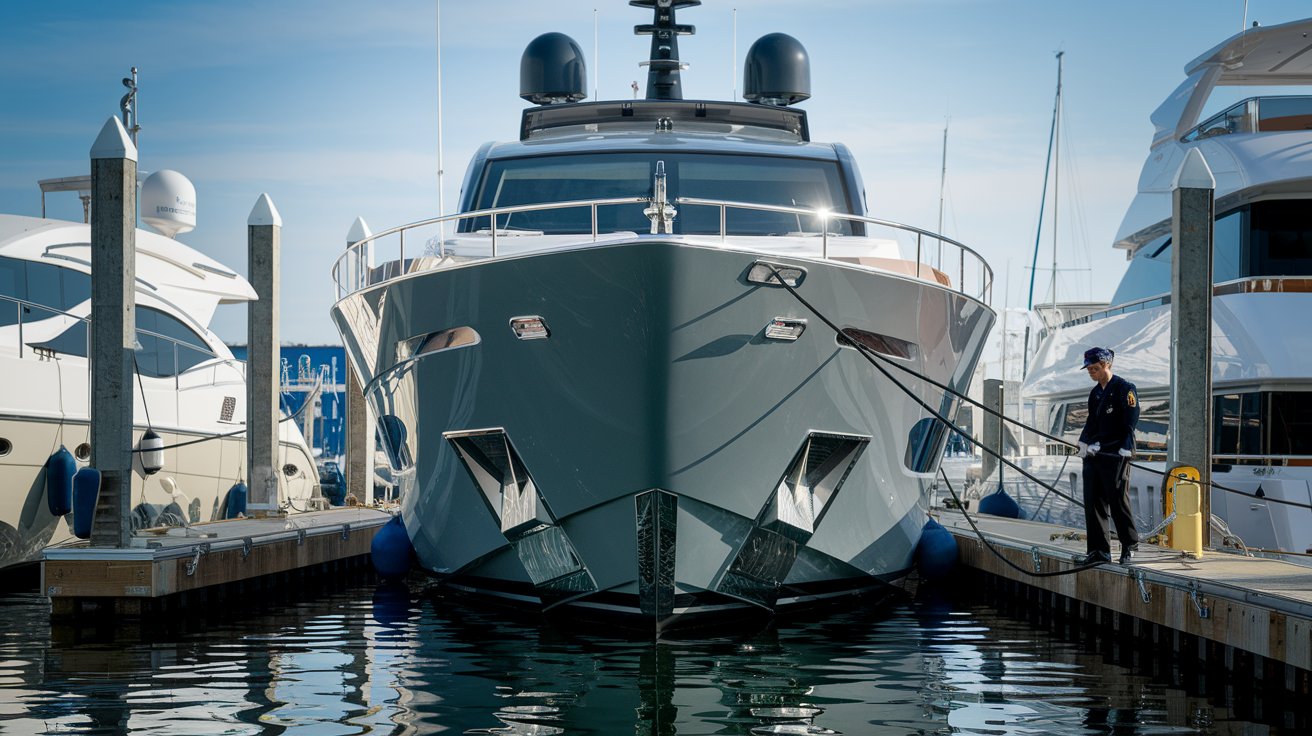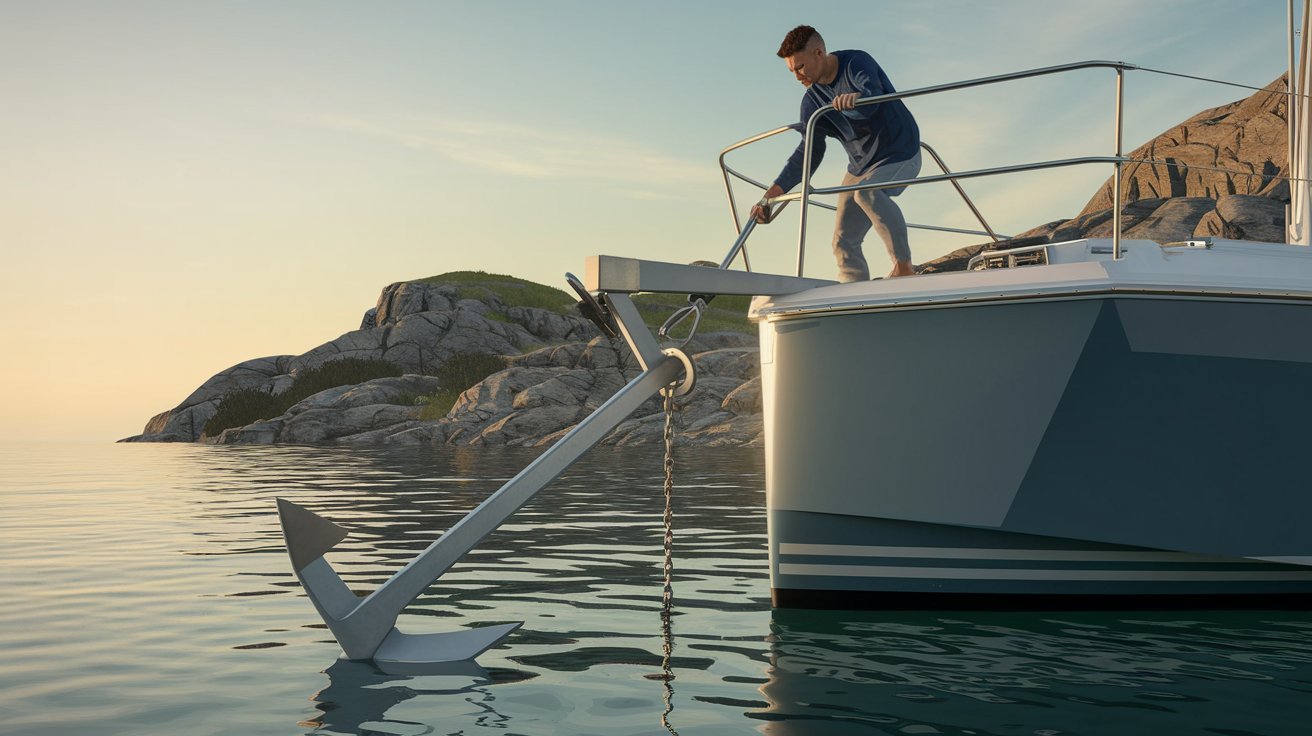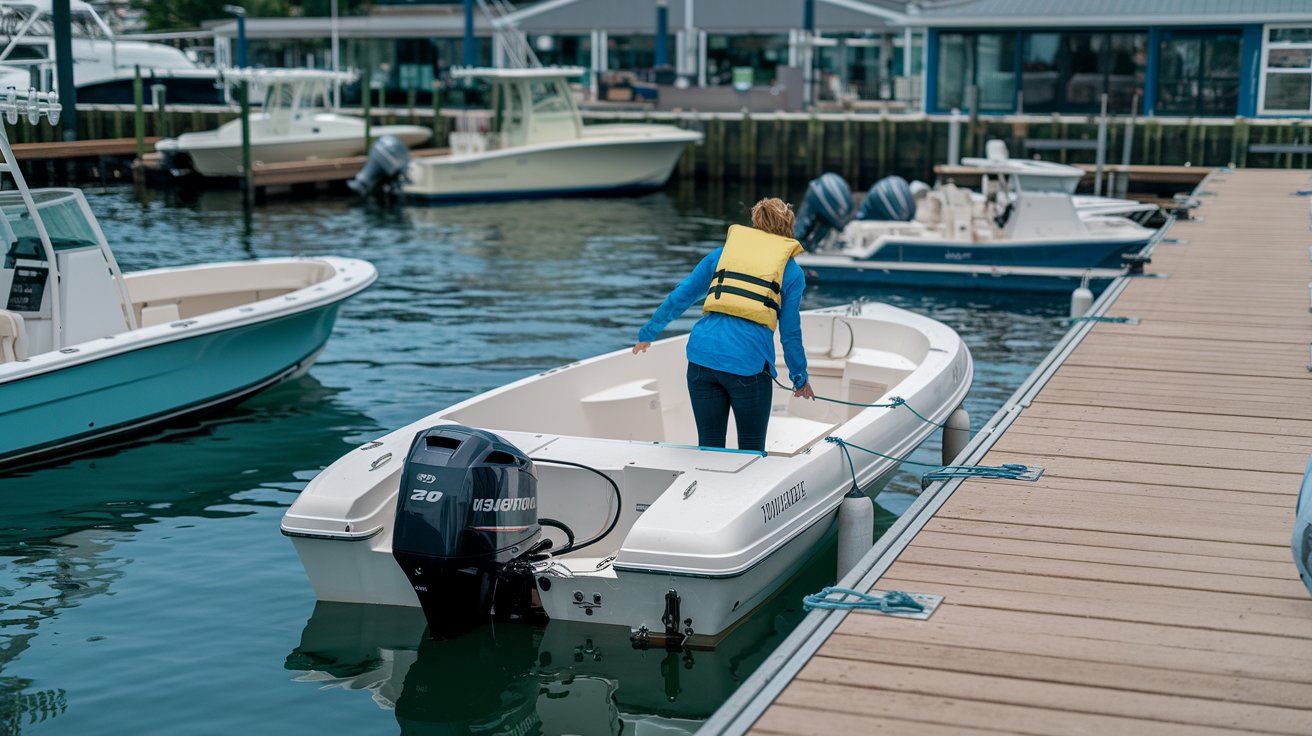
Properly tying a boat to a dock is a fundamental boating skill that ensures your vessel’s safety and prevents damage or drift. This comprehensive guide covers everything from essential equipment to advanced techniques, helping both beginners and experienced boaters master secure docking in various conditions throughout the United States.
Essential Equipment for Tying Your Boat to a Dock
Before attempting to tie your boat to a dock, you’ll need the proper equipment to ensure a secure connection. Quality dock lines are the foundation of safe mooring, with marine-grade rope offering superior durability against UV rays, saltwater, and constant tension. In 2026, the most recommended materials include double-braided nylon and polyester lines, which provide excellent strength-to-weight ratios and flexibility for absorbing shock from waves and wind.
The diameter and length of your dock lines depend on your boat’s size and weight. For boats under 30 feet, 3/8-inch lines work well, while larger vessels require 1/2-inch or thicker rope. As a general rule, your dock lines should be 1.5 times your boat’s length for bow and stern lines, and equal to your boat’s length for spring lines.
Boat Cleats and Hardware
Boat cleats serve as the primary attachment points for your dock lines and must be properly sized and installed to handle the forces generated during docking. Most recreational boats come equipped with bow and stern cleats, while larger vessels may have additional midship cleats for spring lines. In 2026, reinforced stainless steel cleats remain the gold standard, offering corrosion resistance and strength ratings that exceed Coast Guard requirements for recreational vessels in US waters.
Fenders and Protection
Quality fenders protect your boat’s hull from dock damage during the tying process and while moored. Modern fenders in 2026 feature improved valve systems and more durable PVC construction that resists punctures and UV degradation. Position fenders at the dock’s height and adjust them as tidal conditions change throughout your stay.
Step-by-Step Process for Tying a Boat to a Dock
The process of tying a boat to a dock requires careful planning and execution, especially in varying weather and water conditions. Begin your approach slowly, considering wind direction, current, and tide patterns that affect your boat’s movement. In US waters, tidal ranges can vary dramatically from mere inches in the Great Lakes to over 20 feet in parts of Maine, requiring different strategies for secure mooring.
Successful docking combines boat handling skills with proper line management. Always have your crew ready with dock lines and assign specific responsibilities before approaching the dock. Communication between the captain and crew is essential, particularly in crowded marinas where space is limited and other boats are nearby.
Preparing Your Boat for Docking
Before approaching the dock, ensure all dock lines are properly coiled and ready for deployment. Assign crew members to handle specific lines and brief them on hand signals or verbal commands you’ll use during the docking process. Check that fenders are properly positioned and inflated, and confirm that your boat’s cleats are clear of any obstructions.
Setting Up Your Dock Lines
Proper dock line setup involves creating a secure pattern that prevents your boat from moving in any direction. The standard configuration includes bow and stern lines running perpendicular to the dock, plus forward and aft spring lines that prevent fore-and-aft movement. This four-point mooring system provides maximum security in most conditions found in US waters.
Securing the Lines to Dock Cleats
When securing lines to dock cleats, use proper cleat hitch knots that hold firmly but can be easily released when needed. Begin with a complete turn around the cleat base, then create figure-eight patterns around the cleat horns, finishing with a locking hitch. This technique has proven effective in US marinas for decades and remains the preferred method in 2026.
Essential Knots for Boat Docking
Mastering the right knots is crucial for tying a boat to a dock safely and securely. The most important knots for docking combine holding power with ease of release, even after being under tension for extended periods. In 2026, Coast Guard-approved boating courses in the United States emphasize three primary knots that every boater should master for docking situations.
Cleat Hitch Knot
The cleat hitch is the fundamental knot for securing dock lines to cleats and bollards. Start with a complete wrap around the cleat base, then create alternating figure-eight patterns around each horn of the cleat. Finish with a half hitch that locks the line in place but allows for quick release when properly tied. This knot maintains its holding power even when subjected to changing loads from wind and waves.
Bowline Knot for Fixed Loops
The bowline knot creates a fixed loop that won’t slip or bind under load, making it ideal for situations where you need to tie around dock posts or pilings without cleats. This knot maintains its shape and strength regardless of tension and can be easily untied even after bearing heavy loads during storms or rough weather conditions common in many US coastal areas.
Tying a Small Boat to a Dock
Small boats under 20 feet require specific techniques when tying to a dock due to their lighter weight and tendency to move more dramatically in wind and waves. These vessels often lack multiple cleats, requiring creative solutions for secure mooring. In 2026, many small boat owners in the US use quick-release dock cleats and adjustable dock lines designed specifically for lighter vessels.
The reduced mass of small boats makes them more susceptible to wind influence, requiring careful attention to line tension and positioning. Unlike larger vessels that rely on weight for stability, small boats depend entirely on proper line configuration to remain secure against the dock while allowing for normal tidal and wave movement.
Tying a Boat Without Cleats or Dock Hardware
Situations arise where you must tie your boat to a dock that lacks proper cleats or bollards. This challenge requires alternative attachment methods and specialized knots that work with pilings, railings, or other available structures. In many older docks throughout US waterways, particularly on inland lakes and rivers, you’ll encounter docks with minimal or improvised mooring points.
When dealing with smooth pilings or posts, the key is creating sufficient friction to prevent your lines from sliding. Multiple wraps combined with proper knots can secure your boat effectively even without dedicated cleats. Always assess the structural integrity of any improvised attachment point before trusting it with your boat’s safety.
Docking in Rough Water and Adverse Conditions
Rough water docking presents unique challenges that require modified techniques and extra precautions. In 2026, US boaters face increasingly variable weather patterns that can create challenging docking conditions even in normally protected harbors. Strong winds, choppy seas, and swift currents demand advanced boat handling skills and robust mooring systems.
When tying a boat in rough conditions, use heavier dock lines and additional spring lines to distribute forces more effectively. Consider doubling up on critical lines and using shock-absorbing devices to reduce sudden loads on your boat’s cleats and the dock hardware. Many experienced boaters in challenging US waters carry emergency anchors as backup systems when dock mooring becomes impossible.
Overnight and Extended Mooring Techniques
Tying a boat to a dock overnight requires additional considerations beyond basic day mooring. Extended periods at the dock expose your boat to changing weather conditions, tidal cycles, and the cumulative effects of wave action. US marina operators in 2026 report that improper overnight mooring remains a leading cause of boat damage and insurance claims.
For overnight stays, inspect all lines for chafe points and adjust fender positions to account for tidal changes. Many coastal areas of the United States experience significant tidal ranges that can cause improperly secured boats to hang up on dock hardware or suffer hull damage. Set up your mooring system to accommodate the full tidal range expected during your stay.
Tidal Considerations and Water Level Changes
Understanding tidal effects on boat mooring is crucial for safe docking in coastal US waters. Tidal ranges vary dramatically across American coastlines, from minimal changes in the Gulf of Mexico to extreme ranges exceeding 20 feet in parts of Alaska and Maine. Your mooring system must accommodate these changes while maintaining boat security and preventing damage.
In areas with significant tidal ranges, use floating docks when available or ensure your dock lines have sufficient length and proper angles to handle the full range of water level changes. Fixed docks require careful line management to prevent your boat from hanging up on cleats or pilings during low tide conditions.
Common Mistakes and Safety Considerations
Avoiding common errors when tying boats to docks prevents accidents, damage, and potentially dangerous situations. In 2026, US Coast Guard statistics show that improper mooring techniques contribute to thousands of recreational boating incidents annually. The most frequent mistakes include using worn or undersized lines, improper knot selection, and failure to account for changing conditions.
Never leave your boat unattended with only a single line securing it to the dock, regardless of calm conditions. Weather can change rapidly, and even gentle swells can cause significant damage if your boat isn’t properly secured. Always perform a final safety check of all mooring connections before leaving your boat, and consider the potential consequences if any single component fails.
Related video about how to tie a boat to a dock
This video complements the article information with a practical visual demonstration.
Frequently Asked Questions
What is the best way to tie a boat to a dock?
The best method uses a four-point mooring system with bow and stern lines perpendicular to the dock, plus forward and aft spring lines. Use proper cleat hitches and ensure lines are sized appropriately for your boat. This configuration provides security while allowing for normal movement from wind and waves.
How are boats tied to docks in rough water?
In rough conditions, use heavier dock lines and additional spring lines to distribute forces. Double up critical lines, use shock-absorbing devices, and position extra fenders. Approach the dock more slowly and have crew ready to assist with line handling during the more challenging docking process.
What is it called to tie a boat to a dock?
The process is called mooring, docking, or making fast. The lines used are called dock lines or mooring lines. The specific knots and techniques vary depending on the type of dock hardware available and environmental conditions at the time of mooring.
How do you tie a boat to a dock without cleats?
When cleats aren’t available, use pilings, bollards, or sturdy railings as attachment points. Employ bowline knots to create fixed loops around posts, or use multiple wraps with cleat hitches around cylindrical structures. Always verify the structural integrity of any improvised attachment point before trusting it.
How should dock lines be positioned for tidal areas?
In tidal areas, dock lines must accommodate water level changes while maintaining boat security. Use longer lines with proper angles to handle the full tidal range, position fenders to account for changing dock heights, and regularly check line tension as tides change to prevent damage.
What equipment is essential for tying a boat to a dock?
Essential equipment includes properly sized dock lines (typically 3/8-inch for boats under 30 feet), quality boat cleats, protective fenders, and knowledge of basic knots like the cleat hitch and bowline. Marine-grade rope materials like double-braided nylon provide the best durability and performance.
| Mooring Component | Recommended Specifications | Key Benefit |
|---|---|---|
| Dock Lines | Double-braided nylon, 1.5x boat length | Superior strength and shock absorption |
| Cleat Hitches | Figure-eight pattern with locking hitch | Secure hold with quick release capability |
| Four-Point System | Bow, stern, and two spring lines | Maximum stability in all directions |
| Fender Protection | Properly positioned and inflated | Prevents hull damage during movement |