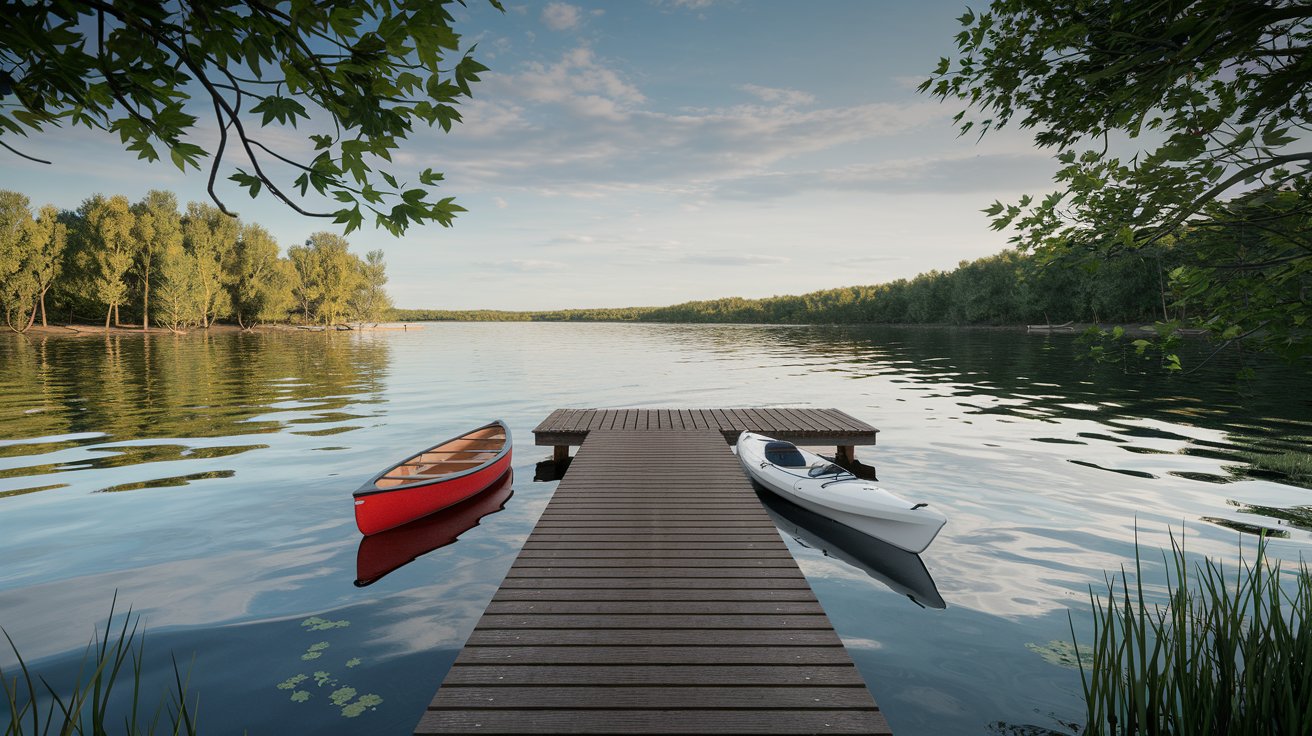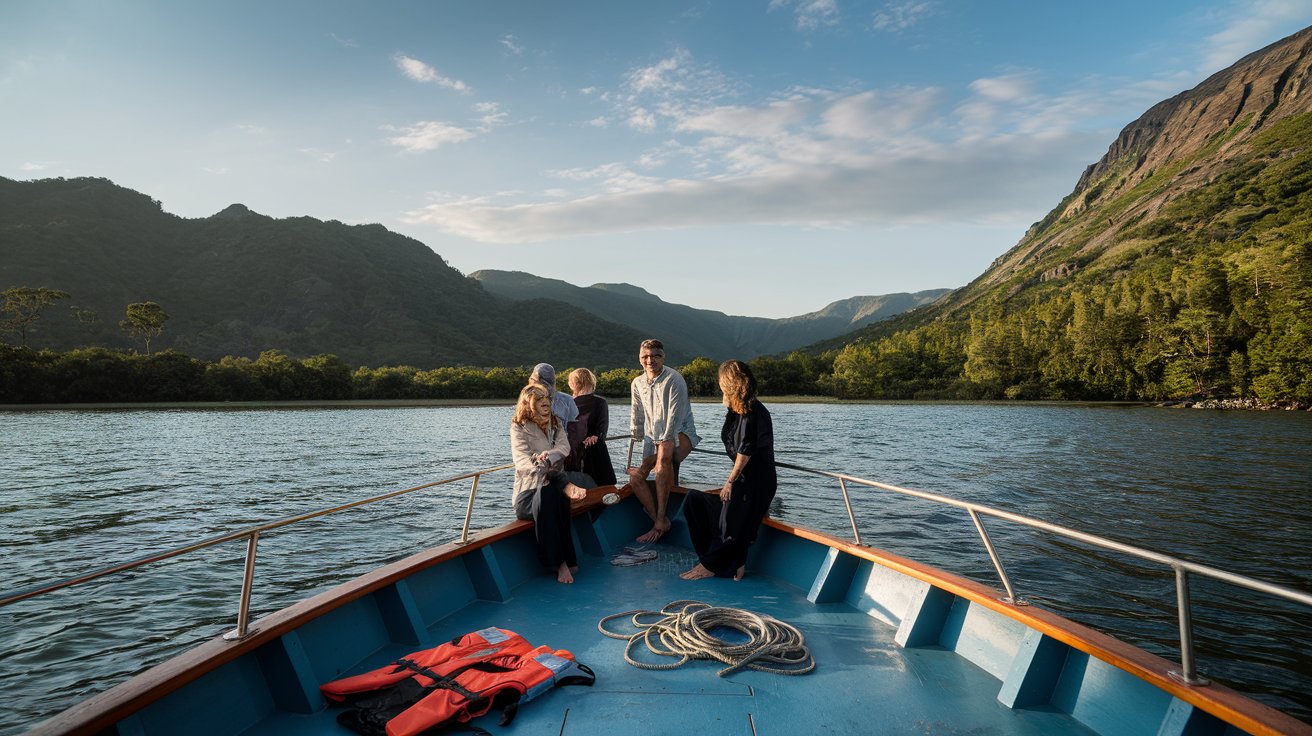
Planning to rent a boat for your next aquatic adventure requires careful preparation and understanding of essential requirements. From licensing regulations to safety protocols, knowing what to expect before stepping aboard ensures a memorable and secure experience on American waterways in 2026.
Understanding Your Boating Experience Requirements
Your boating experience level directly impacts which vessels you can safely operate and rent across the United States. Most rental companies categorize renters into beginner, intermediate, and experienced operators, with specific boat types allocated to each skill level. Beginners typically start with pontoon boats or smaller powerboats under 25 feet, while experienced boaters can access larger vessels and high-performance watercraft.
Many rental facilities now require demonstration of basic boat handling skills regardless of licensing status. This 2026 trend ensures safety standards while reducing insurance claims and accidents. Expect to show proficiency in docking, anchoring, and basic navigation before receiving keys to your rental vessel.
Boat Licensing and Legal Requirements by State
United States boat license requirements vary significantly by state, with 2026 regulations becoming increasingly standardized across waterways. Currently, 49 states require some form of boater education certificate or license for operators, with age-specific requirements ranging from 12 to 16 years old for unsupervised operation.
Most rental companies accept temporary boater education certificates, valid state-issued licenses, or completed safety courses from recognized organizations like the National Association of State Boating Law Administrators. Online boating courses have gained widespread acceptance, with completion times averaging 3-4 hours and immediate certificate availability upon passing the final exam.
Popular State Requirements
Florida boat rental laws require operators born after January 1, 1988, to complete an approved boating safety course for vessels 10 horsepower or greater. California mandates boater cards for all operators regardless of age, while Texas requires certification for those born after September 1, 1993. These requirements apply to rental boats and personal watercraft throughout these jurisdictions.
Federal Waterway Regulations
Federal waters and navigable waterways fall under Coast Guard jurisdiction, requiring additional safety equipment and operational knowledge. Rental boats operating in federal waters must carry specific safety gear including life jackets, sound signals, and visual distress signals. Understanding these requirements prevents violations and ensures compliance during your rental period.
Types of Boats Available for Rental
The 2026 boat rental market offers diverse vessel options catering to different activities and group sizes. Pontoon boats remain the most popular choice for beginners and families, offering stability, spacious seating, and easy operation. These vessels typically accommodate 8-12 passengers and feature amenities like Bluetooth sound systems, coolers, and swim platforms.
Center console boats appeal to fishing enthusiasts and experienced operators, providing excellent fishing capabilities and offshore performance. Bowrider boats offer versatility for skiing, wakeboarding, and cruising, while luxury yacht charters provide premium experiences with professional crews and high-end amenities.
Recreational Watercraft Options
Personal watercraft rentals including jet skis and wave runners require minimal experience but demand heightened safety awareness. These high-performance machines can reach speeds exceeding 60 mph and require specific operating techniques. Most rental locations provide brief training sessions covering acceleration, steering, and emergency procedures before allowing independent operation.
Specialty and Luxury Vessels
Luxury yacht charters and specialty vessels like catamarans or sailing boats often require demonstrated experience or included captain services. These premium options feature advanced navigation systems, multiple staterooms, and professional-grade equipment. Rental rates typically include fuel, basic amenities, and safety equipment, with additional charges for crew services and premium locations.
Budgeting and Cost Considerations
Understanding the complete cost to rent a boat requires factoring multiple expenses beyond the base hourly or daily rate. Average rental prices in 2026 range from $200-400 daily for basic pontoon boats to $1,500-3,000 daily for luxury vessels. Peak season rates during summer months and holidays can increase costs by 25-50% compared to off-season pricing.
Additional expenses include fuel costs, cleaning fees, damage deposits, and optional equipment rentals. Most companies require security deposits ranging from $500-2,500, fully refundable upon satisfactory boat return. Fuel expenses vary by boat size and usage, with average costs between $50-200 for full-day rentals depending on engine size and activities.
Hidden Fees and Additional Costs
Rental agreement fees often include charges for cleaning, late returns, and equipment damage that exceed normal wear. Captain services add $200-500 daily to rental costs but provide valuable expertise and local knowledge. Premium locations and delivery services can increase total expenses by 15-20%, making thorough cost analysis essential for accurate budgeting.
Money-Saving Strategies
Booking boat rentals during weekdays and off-peak seasons provides significant savings, with some locations offering 30-40% discounts. Multi-day rentals often include reduced daily rates and waived cleaning fees. Group bookings and repeat customer programs provide additional discounts, making advance planning financially beneficial for regular boaters.
Safety Equipment and Protocols
Comprehensive boat safety preparation involves understanding required equipment, emergency procedures, and weather monitoring protocols. Coast Guard-approved life jackets must be available for each passenger, with specific sizing requirements for children under 13 years old. Additional safety equipment includes throwable flotation devices, sound signals, fire extinguishers, and visual distress signals for offshore operations.
Modern rental boats feature advanced safety technology including GPS tracking, emergency communication systems, and engine monitoring displays. Many 2026 rental fleets include automatic engine cutoff switches, collision avoidance systems, and integrated weather monitoring capabilities that enhance operational safety and provide real-time alerts for changing conditions.
Pre-Departure Boat Inspection
Thorough boat inspection before departure protects against liability claims and ensures operational safety throughout your rental period. Document existing damage, test all mechanical systems, and verify proper equipment functionality including lights, horn, bilge pump, and navigation electronics. Taking photographs of the boat’s condition provides evidence of pre-existing damage and protects against false damage claims.
Check fuel levels, engine oil, and battery charge status while reviewing emergency equipment locations and procedures. Verify anchor deployment, test steering responsiveness, and ensure proper communication equipment functionality. This comprehensive inspection process typically requires 15-20 minutes but prevents significant problems during your boating adventure.
Insurance Coverage and Liability Protection
Boat rental insurance protects against accidents, property damage, and liability claims that could result in substantial financial losses. Most rental companies offer collision damage waivers and liability coverage options, with premium costs ranging from $30-100 daily depending on vessel value and coverage limits. Personal auto insurance rarely covers boat rentals, making supplemental coverage essential for adequate protection.
Understanding policy exclusions helps avoid coverage gaps that could result in personal financial responsibility. Common exclusions include damage from improper operation, alcohol-related incidents, and violations of rental agreement terms. Liability limits should match potential exposure, with minimum recommendations of $300,000 for property damage and $100,000 for bodily injury protection.
Booking Policies and Cancellation Terms
Understanding booking policies prevents unexpected charges and provides flexibility for changing plans due to weather or personal circumstances. Most rental companies require 24-48 hour advance booking during peak seasons, with deposit requirements ranging from 25-50% of total rental costs. Cancellation policies vary significantly, with some operators offering full refunds for weather-related cancellations while others charge processing fees regardless of circumstances.
Weather cancellation policies deserve special attention, as unsafe boating conditions can develop rapidly and create safety hazards. Many companies now offer flexible rescheduling options and partial refunds for documented severe weather conditions. Reading cancellation terms carefully and understanding refund procedures prevents disputes and financial losses when plans change unexpectedly.
Related video about what to know before renting a boat
This video complements the article information with a practical visual demonstration.
Questions & Answers
Do you need a license to rent a boat in the United States?
Most states require boater education certificates or licenses for rental boat operation. Requirements vary by state and operator age, with 49 states mandating some form of boating education. Temporary certificates from online courses are widely accepted by rental companies, with completion taking 3-4 hours and immediate certificate availability.
How much does it cost to rent a boat for a day?
Daily boat rental costs range from $200-400 for basic pontoon boats to $1,500-3,000 for luxury vessels in 2026. Additional expenses include fuel ($50-200), cleaning fees, security deposits ($500-2,500), and optional equipment. Peak season rates increase costs by 25-50% compared to off-season pricing.
What safety equipment is required on rental boats?
Required safety equipment includes Coast Guard-approved life jackets for each passenger, throwable flotation devices, sound signals, fire extinguishers, and visual distress signals for offshore operations. Modern rental boats feature GPS tracking, emergency communication systems, and engine monitoring displays for enhanced safety.
Can beginners safely rent and operate boats?
Beginners can safely rent boats with proper preparation and appropriate vessel selection. Most rental companies provide pontoon boats or smaller powerboats under 25 feet for inexperienced operators. Many facilities require skill demonstrations and offer brief training sessions covering basic operation, docking, and emergency procedures.
What should you inspect before taking a rental boat?
Pre-departure inspection should include documenting existing damage, testing mechanical systems, verifying equipment functionality, checking fuel levels, and reviewing emergency procedures. Take photographs of boat condition, test lights, horn, bilge pump, and navigation electronics. This process typically requires 15-20 minutes but prevents significant problems during rental.
Do rental boats include insurance coverage?
Most rental companies offer collision damage waivers and liability coverage options costing $30-100 daily. Personal auto insurance rarely covers boat rentals, making supplemental coverage essential. Recommended minimum liability limits include $300,000 for property damage and $100,000 for bodily injury protection to ensure adequate financial protection.
| Key Preparation Aspect | Essential Requirements | Safety Benefit |
|---|---|---|
| Boating License | State-specific certification or online course completion | Legal compliance and operational knowledge |
| Budget Planning | Include base rate, fuel, insurance, and deposits | Prevents unexpected expenses and financial stress |
| Safety Equipment | Life jackets, emergency signals, and communication devices | Emergency preparedness and Coast Guard compliance |
| Insurance Coverage | Collision damage waiver and liability protection | Financial protection against accidents and damage |