Indian Arm in British Columbia offers excellent fishing opportunities for both recreational and indigenous anglers. The most common catches include chinook salmon, coho salmon, pink salmon, and various trout species. Located within Area 28 and 29 fishing regulations, this pristine inlet provides year-round fishing with specific seasons for different species.
Primary Fish Species in Indian Arm Waters
The Indian Arm fishing experience centers around several key species that thrive in these protected waters. Chinook salmon remain the most prized catch, with fish ranging from 10 to 40 pounds available throughout the summer months. Coho salmon provide exciting action from June through September, while pink salmon create spectacular runs during odd-numbered years. The deep, cold waters also support healthy populations of cutthroat trout and Dolly Varden char.
Recent fisheries surveys in 2026 indicate that salmon populations in Indian Arm have shown remarkable recovery due to enhanced conservation efforts. The nutrient-rich waters, fed by multiple freshwater streams, create ideal conditions for both juvenile salmon rearing and adult salmon feeding. Anglers can expect consistent fishing throughout the designated seasons with proper licensing and adherence to current regulations.
Salmon Species and Seasonal Patterns
Chinook salmon dominate the fishing scene from May through August, with peak fishing occurring in July. These king salmon average 15-25 pounds in Indian Arm, though trophy fish exceeding 30 pounds are regularly caught. Coho salmon arrive in June and provide excellent sport fishing through September, with their aggressive feeding behavior making them a favorite among anglers. Pink salmon runs occur every other year, creating incredible fishing opportunities during their peak runs in August and September.
Resident Trout and Char Populations
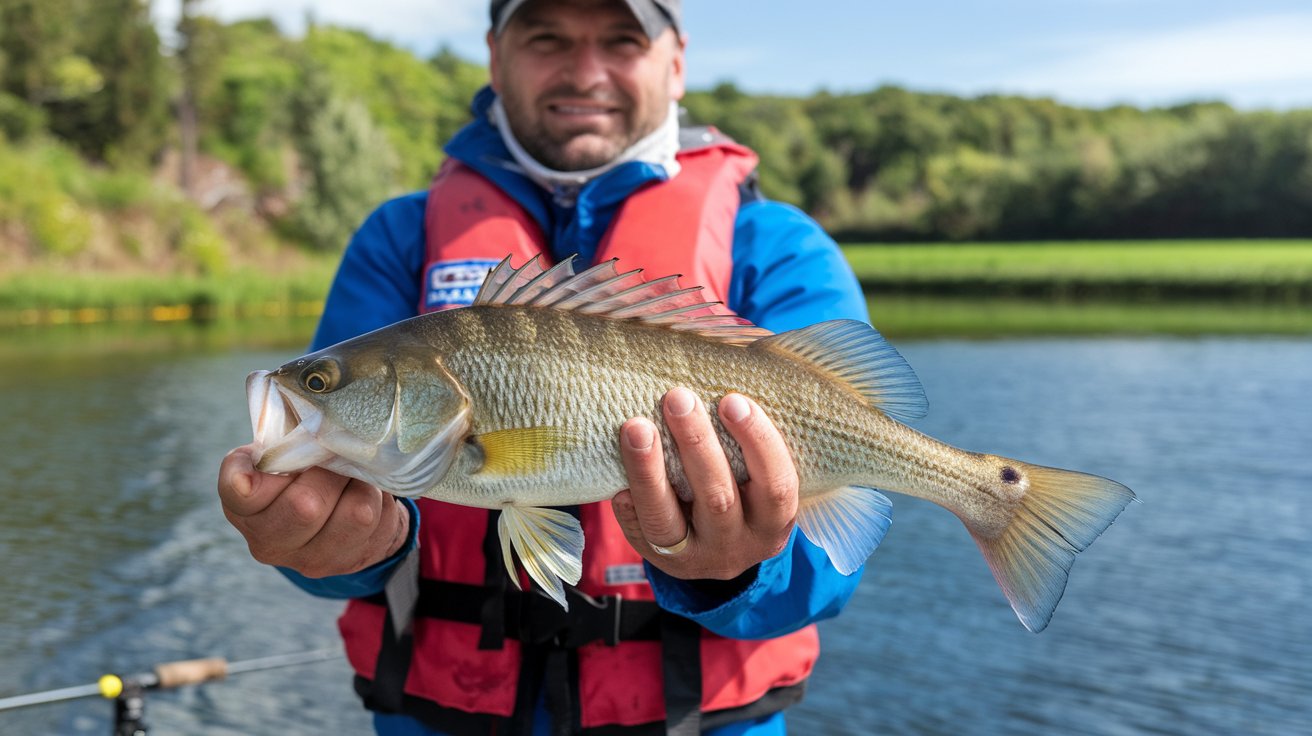
The resident fish population includes coastal cutthroat trout and Dolly Varden char, which provide year-round fishing opportunities. These species typically range from 12 to 18 inches and offer excellent table fare. The protected nature of Indian Arm creates ideal conditions for these resident species, with abundant insect life and small baitfish supporting healthy populations throughout the inlet.
Fishing Regulations and Licensing Requirements
Fishing in Indian Arm falls under Area 28 fishing regulations and Area 29 regulations depending on the specific location within the inlet. All anglers must possess a valid British Columbia freshwater or saltwater fishing license, with additional requirements for salmon fishing. Daily limits, size restrictions, and seasonal closures are strictly enforced by conservation officers who regularly patrol these waters.
The 2026 regulations maintain a daily limit of 4 salmon per angler, with specific restrictions on chinook salmon retention during certain periods. Barbless hooks are mandatory for all salmon fishing, and all wild coho must be released immediately. Indigenous fishing rights are recognized and protected under constitutional agreements, allowing First Nations members to fish for food, social, and ceremonial purposes according to traditional protocols.
Licensing and Permit Requirements
Non-resident anglers require a non-resident fishing license along with the appropriate freshwater or saltwater stamps depending on the fishing location within Indian Arm. The Conservation Surcharge and Habitat Conservation Trust Fund fees are included in all licenses. Special permits may be required for guided fishing operations, with all guides needing current angling guide licenses and business permits.
Daily Limits and Size Restrictions
Current daily limits allow for 4 salmon per day with a possession limit of 8 salmon. Chinook salmon must measure a minimum of 62 centimeters to retain, while coho salmon have specific mark-selective fishery requirements. Trout and char have a daily limit of 5 fish with no size restrictions, though anglers are encouraged to practice selective harvest to maintain healthy populations.
Best Fishing Locations and Access Points
The most productive fishing areas within Indian Arm include the mouth near Deep Cove, the narrows at Croker Island, and the deeper waters near Granite Falls. Bowen Island fishing spots provide additional opportunities in adjacent waters, while the protected nature of Indian Arm offers calmer conditions for small boat fishing. Shoreline access is limited but available at several locations including Belcarra Regional Park and Deep Cove.
Boat launching facilities at Deep Cove provide the primary access point for most anglers, with a well-maintained launch ramp and parking facilities. The Indian Arm fishing experience is enhanced by the spectacular scenery and wildlife viewing opportunities, making it a premier destination for both serious anglers and families seeking outdoor recreation. GPS coordinates and detailed maps are essential for navigating the inlet safely and finding productive fishing areas.
Effective Fishing Techniques and Equipment
Successful fishing in Indian Arm requires understanding the deep water structure and thermal layers that concentrate fish at different times of day. Downrigger fishing proves most effective for salmon, with depths ranging from 40 to 120 feet depending on season and species. Trolling speeds of 2.5 to 3.5 mph work best, with flasher and spoon combinations producing consistent results throughout the fishing season.
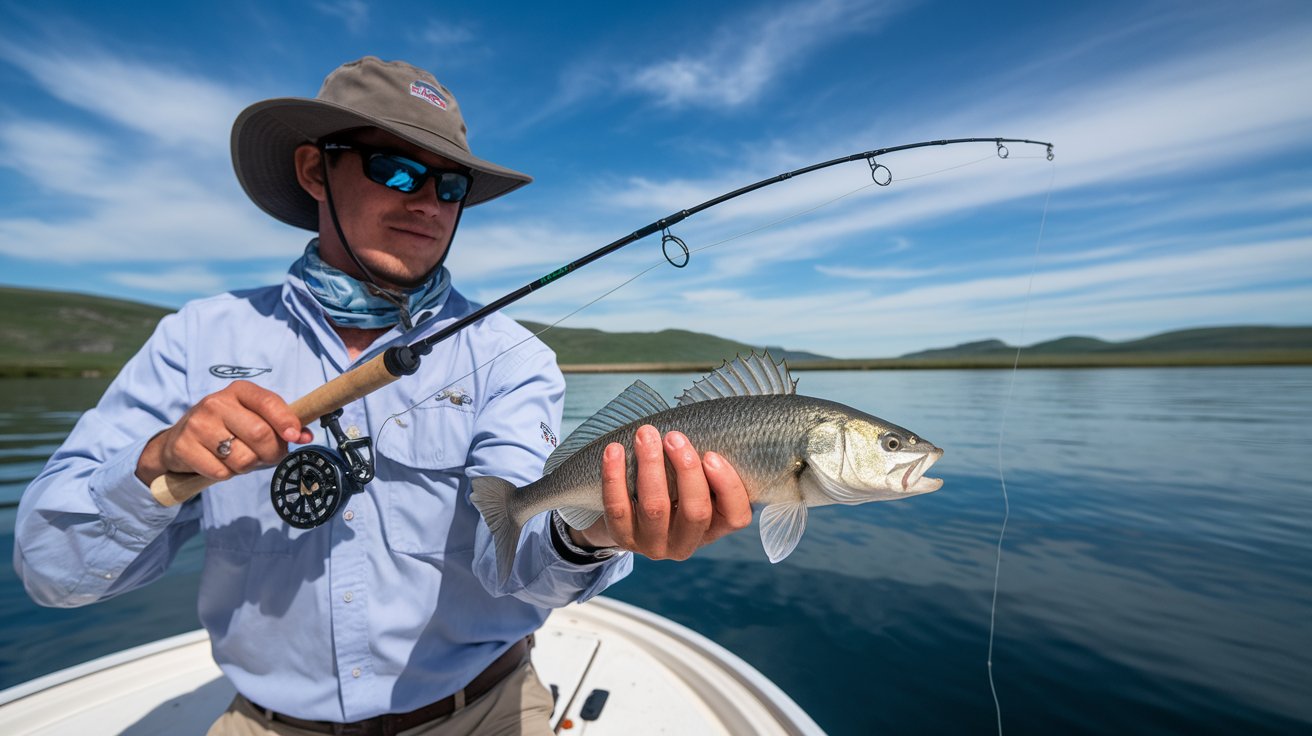
For resident trout species, fly fishing and light spinning tackle provide excellent sport in the shallower areas and creek mouths. Best bait for landlocked salmon includes herring strips, anchovy, and artificial lures that mimic local baitfish. The clear water conditions in Indian Arm require natural presentations, making leader selection and lure color critical factors for success.
Salmon Trolling Setups and Depths
Effective salmon fishing requires downriggers or lead core line to reach the proper depths where fish are actively feeding. Early morning and evening fishing typically occurs at 60-80 feet, while midday fishing may require depths of 100-120 feet. Popular lure combinations include UV flashers with 4-5 inch spoons in silver, green, and blue patterns that match local herring and small salmon fry.
Shore Fishing and Light Tackle Options
Shore fishing opportunities exist at several locations, particularly during salmon runs when fish move into shallower water near creek mouths. Spin casting with buzz bombs, spoons, and jigs can be effective from the rocky shorelines and floating docks. Light tackle fishing for resident trout species requires 6-8 pound test line and small lures or flies that imitate local insect life.
Seasonal Fishing Calendar and Peak Times
The Indian Arm fishing season varies dramatically throughout the year, with peak salmon fishing occurring from June through September. Spring fishing in April and May targets early chinook salmon and resident trout species emerging from winter feeding patterns. Summer months provide the most consistent action with all salmon species present, while fall fishing extends through October with late-run coho and spawning preparations.
Weather patterns significantly impact fishing success, with stable high pressure systems creating optimal conditions. Fishing in Indian Arm during overcast conditions often produces better results than bright sunny days, particularly for salmon species that prefer lower light conditions for active feeding. Tide changes, while less pronounced than ocean fishing, still influence fish movement and feeding activity in the deeper portions of the inlet.
Crabbing Opportunities and Regulations
Indian Arm crabbing provides excellent opportunities for Dungeness crab throughout the year, with peak catches occurring from November through March. The protected waters and rocky bottom structure create ideal habitat for crab populations, with legal-sized males readily available to recreational harvesters. Crab traps must be properly marked and checked within regulatory timeframes to ensure compliance with conservation requirements.
Dungeness crab in Indian Arm typically range from 6 to 8 inches across the shell, with larger specimens occasionally caught in the deeper areas near the mouth. Bowen Island crabbing in adjacent waters provides additional opportunities, though regulations may vary by specific location. Red rock crab are also present but are generally smaller and less desirable for table fare compared to Dungeness crab.
Crab Trap Setup and Bait Selection
Effective crabbing requires proper trap deployment in 30-80 feet of water over rocky or shell bottom. Crab bait selection includes fish heads, chicken, and commercial crab baits that create strong scent trails. Traps should be soaked for 2-4 hours for optimal results, with longer soak times often producing diminished returns due to bait degradation and crab behavior patterns.
Crabbing Seasons and Daily Limits
Recreational crabbing in Indian Arm operates under a year-round season with specific daily limits and size restrictions. The daily limit is 4 male Dungeness crab per person with a minimum carapace width of 165 millimeters. All female crabs and soft-shell males must be released immediately, and crab measurement tools are mandatory to ensure compliance with size regulations.
Indigenous Fishing Rights and Cultural Practices
Indigenous communities have maintained traditional fishing practices in Indian Arm for thousands of years, with constitutional rights protecting these activities for food, social, and ceremonial purposes. The indigenous fishing practices include selective harvesting methods that ensure sustainable populations while meeting community needs. These rights are recognized under Section 35 of the Constitution Act and various court decisions that affirm aboriginal fishing rights.
Traditional fishing methods include reef nets, dip nets, and selective fishing techniques that minimize impact on fish populations while maximizing cultural and nutritional benefits. Modern indigenous fishing combines traditional knowledge with contemporary conservation science to maintain healthy fish populations. Can indigenous people sell the fish they catch depends on specific agreements and licensing requirements that vary by community and commercial fishing opportunities.
Safety Considerations and Weather Awareness
Fishing safety in Indian Arm requires understanding the potential for sudden weather changes and wind conditions that can create dangerous situations for small boats. The inlet’s narrow configuration can funnel winds and create choppy conditions rapidly, particularly during afternoon thermal wind patterns. Weather monitoring through marine radio and weather apps is essential for safe fishing trips, with particular attention to wind warnings and visibility conditions.
Emergency preparedness includes carrying proper safety equipment such as life jackets, flares, and communication devices. The remote nature of upper Indian Arm means that rescue response times may be extended, making self-reliance and proper preparation critical. Fishing safety protocols should include filing float plans with family or friends and carrying emergency supplies for unexpected overnight situations.
Related video about what fish can you catch in indian arm
This video complements the article information with a practical visual demonstration.
What you should know
Can you fish in Indian Arm?
Yes, you can fish in Indian Arm with proper licensing and adherence to Area 28 and 29 fishing regulations. The inlet offers excellent salmon, trout, and char fishing opportunities throughout the year with specific seasons and limits for different species.
Are humpy salmon good to eat?
Humpy salmon (pink salmon) are good to eat when caught fresh from the ocean, but their quality deteriorates as they approach spawning. Ocean-bright pink salmon have firm, mild-flavored flesh that is excellent for smoking, canning, or fresh preparation, while spawning fish develop softer texture and stronger flavor.
What is the best bait for landlocked salmon?
The best bait for landlocked salmon includes herring strips, anchovy, and artificial lures such as spoons and spinners in silver, blue, and green colors. Live bait such as small trout or kokanee fry also work well, along with scented artificial baits that mimic local forage fish.
Can indigenous people sell the fish they catch?
Indigenous fishing rights are primarily for food, social, and ceremonial purposes, but commercial sales may be permitted under specific agreements and licenses. Sales opportunities vary by community and require appropriate commercial fishing licenses and adherence to marketing regulations established by fisheries authorities.
What are the fishing regulations for Indian Arm?
Indian Arm fishing operates under Area 28 and 29 regulations with a daily limit of 4 salmon, barbless hook requirements, and specific size restrictions. All anglers need valid BC fishing licenses with appropriate saltwater stamps, and seasonal closures apply to certain areas and species.
When is the best time to fish Indian Arm?
The best time to fish Indian Arm is from June through September for salmon, with peak chinook fishing in July and coho salmon from July through September. Resident trout and char provide year-round opportunities, while early morning and evening periods typically produce the best results regardless of season.
| Fish Species | Peak Season | Best Techniques |
|---|---|---|
| Chinook Salmon | May-August | Downrigger trolling 60-120 feet |
| Coho Salmon | June-September | Surface trolling and casting |
| Pink Salmon | August-September (odd years) | Light tackle and small lures |
| Cutthroat Trout | Year-round | Fly fishing and light spinning |
| Dungeness Crab | November-March | Crab traps in 30-80 feet |