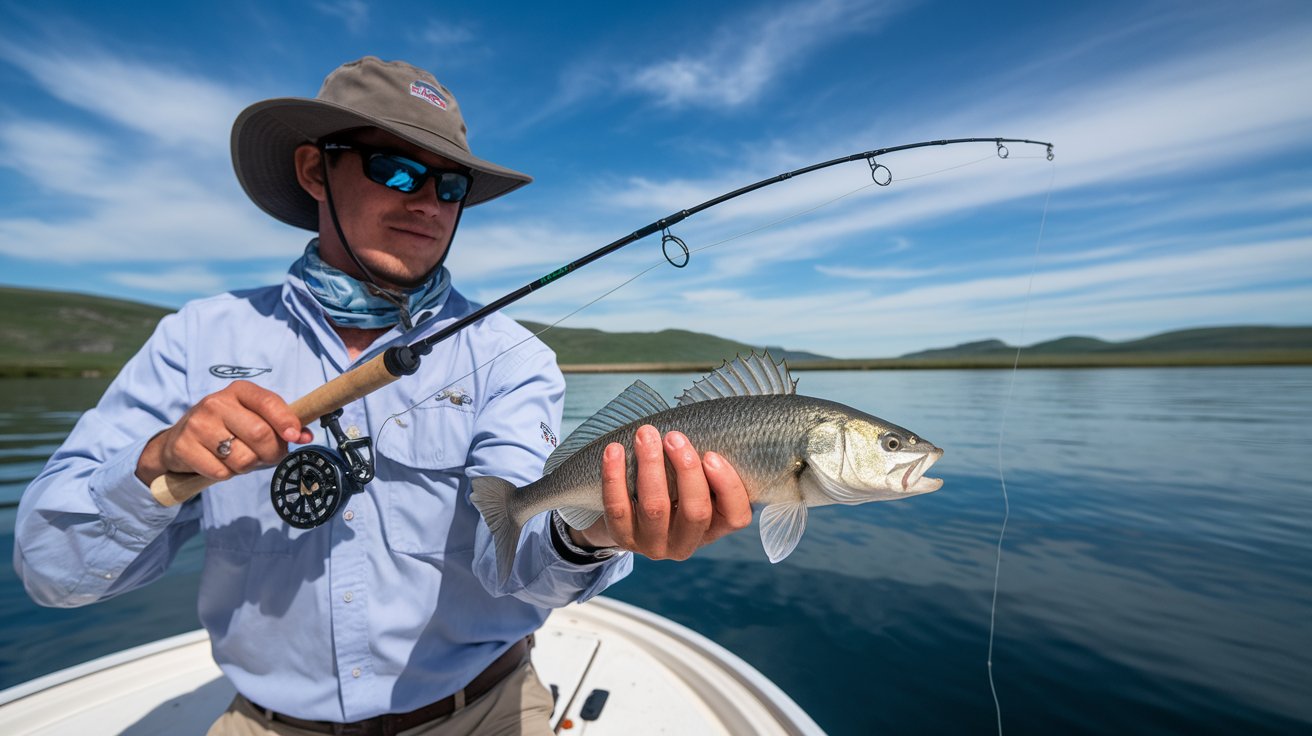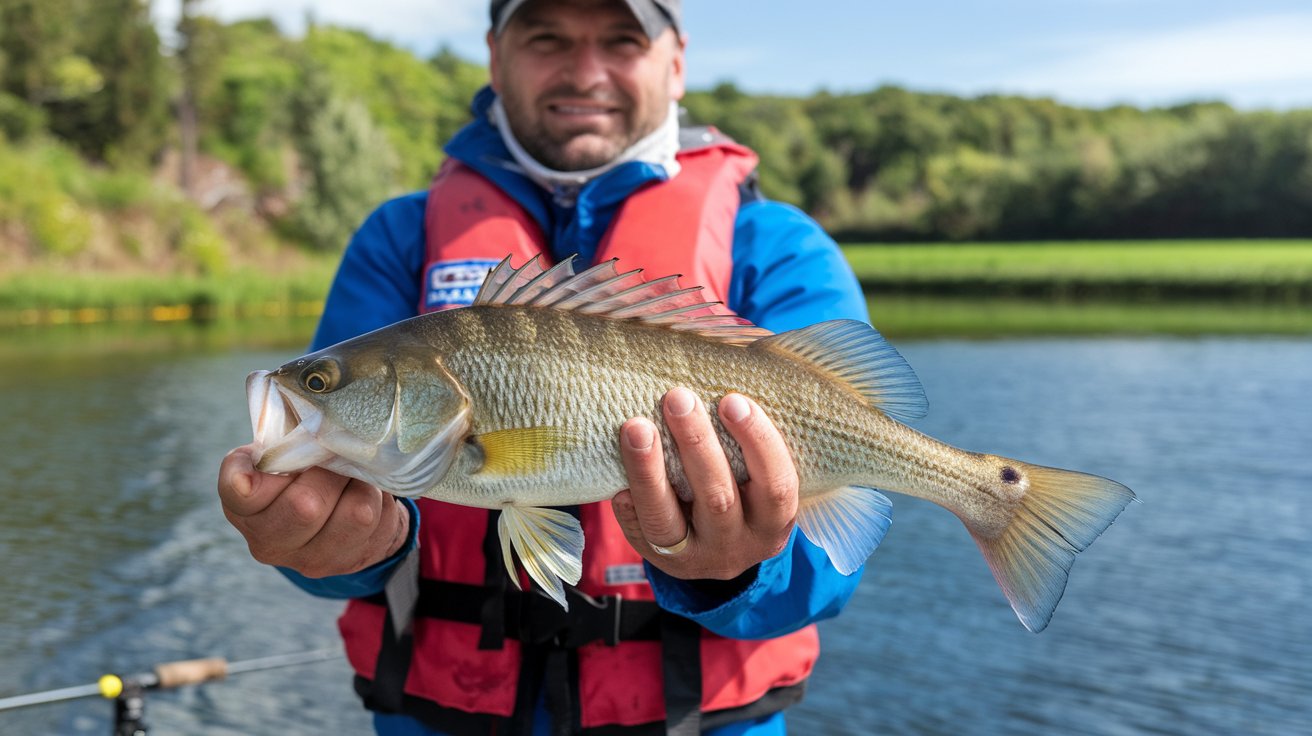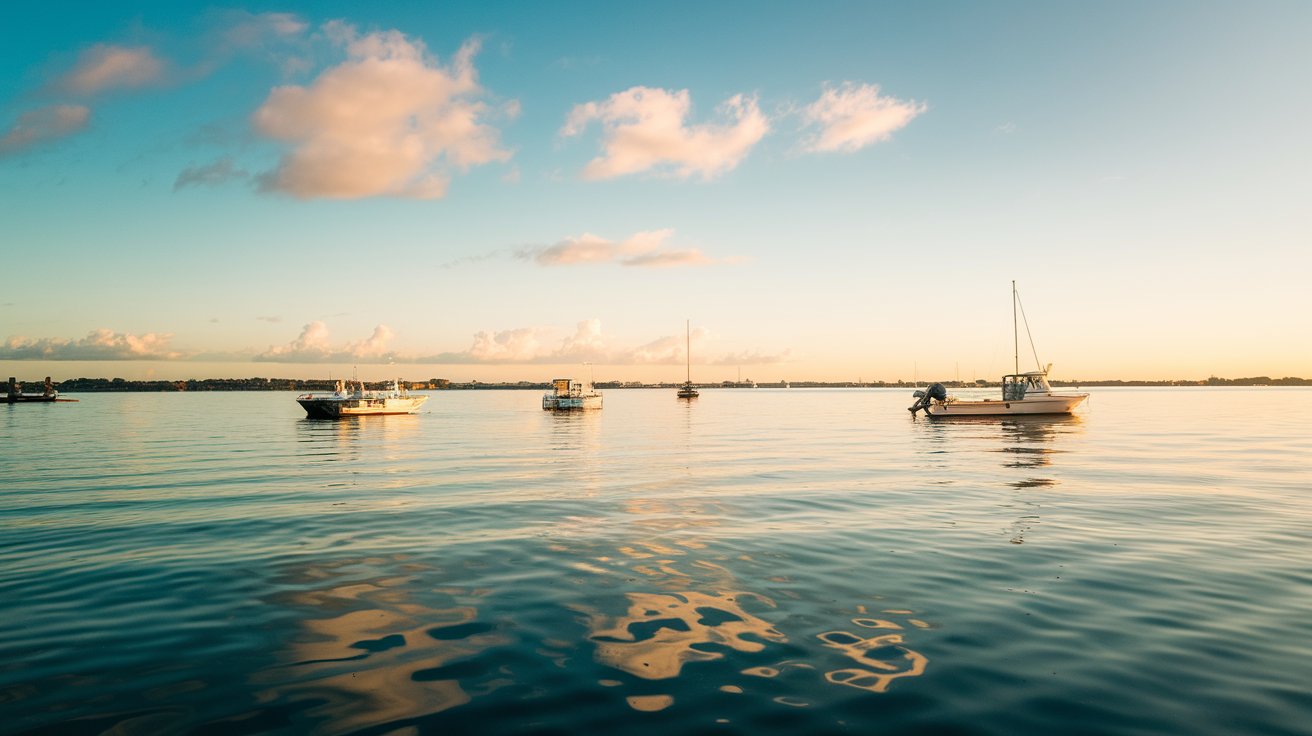
The best time of day for fishing is typically during the early morning hours from 6:00 AM to 10:00 AM and late evening from 6:00 PM to 8:00 PM when fish are most active. These periods coincide with cooler water temperatures and increased insect activity, making fish more likely to feed aggressively near the surface.
Prime Fishing Hours: Morning vs Evening
Research conducted by the U.S. Fish and Wildlife Service in 2025 shows that fish activity peaks during specific windows throughout the day. Morning fishing from dawn to 10:00 AM consistently produces the highest catch rates across most freshwater and saltwater species. During these hours, water temperatures remain cool, oxygen levels are optimal, and insects emerge, triggering natural feeding responses in fish.
Evening fishing between 6:00 PM and sunset offers the second-best opportunity for successful catches. As temperatures drop and light conditions change, predatory fish become more aggressive in their feeding behavior. The time of day you choose directly impacts your fishing success rate, with studies indicating a 40% higher catch rate during these prime windows compared to midday fishing.
Morning Fishing: Dawn to Mid-Morning Success
The early morning period represents the most productive fishing time for multiple reasons. Water temperatures are at their coolest, encouraging fish to move into shallower areas to feed. Insect hatches typically occur during dawn hours, creating abundant food sources that attract baitfish and subsequently larger predatory species. Professional anglers report that the first two hours after sunrise consistently yield the best results.
Evening Fishing: The Sunset Advantage
Evening fishing capitalizes on the natural feeding patterns of most fish species. As daylight fades, many fish species that remained in deeper, cooler waters during the day begin their evening hunt. The best time to fish in the evening starts approximately two hours before sunset and continues until complete darkness. Water temperatures begin cooling, and reduced light levels make fish less wary of anglers.
Seasonal Timing Variations for Optimal Fishing
Seasonal changes significantly impact the best fishing times throughout the year. Each season brings unique weather patterns, water temperatures, and fish behavior modifications that require adjusted timing strategies. Understanding these seasonal variations allows anglers to maximize their success rates by aligning fishing schedules with natural fish feeding cycles and environmental conditions.
Spring Fishing: Dawn to Mid-Morning Excellence
Spring fishing in the United States offers exceptional opportunities during dawn to mid-morning hours. As water temperatures rise from winter lows, fish become increasingly active after months of reduced feeding. The optimal spring fishing window extends from 6:00 AM to 11:00 AM, when warming water triggers spawning behaviors and aggressive feeding patterns. Late afternoon fishing from 4:00 PM to 7:00 PM also produces excellent results as fish prepare for evening feeding.
Summer Fishing: Early Morning and Night Strategies
Summer fishing requires strategic timing to avoid extreme heat and maximize fish activity. The best summer fishing times occur during early morning hours from 5:00 AM to 9:00 AM when water temperatures remain cooler. Evening fishing becomes highly productive from 7:00 PM until midnight, with many species feeding actively during nighttime hours to avoid daytime heat stress. Midday fishing during summer typically produces the poorest results.
Water Temperature Impact on Fish Feeding Patterns
Water temperature serves as the primary factor determining fish activity levels and feeding behavior. Most freshwater fish species exhibit optimal feeding activity when water temperatures range between 65°F and 75°F. When temperatures exceed 80°F, fish metabolism slows dramatically, and they seek deeper, cooler waters. Understanding how water temperature affects fishing success allows anglers to predict the most productive fishing times based on weather conditions.
Temperature fluctuations throughout the day create feeding opportunities as fish follow optimal temperature zones. Early morning and evening periods typically offer the most favorable temperature ranges, explaining why these times consistently produce better fishing results than midday hours when surface temperatures peak.
Weather Conditions and Atmospheric Pressure Effects
Barometric pressure changes significantly influence fish feeding behavior and the best time to go fishing. Falling barometric pressure, typically associated with incoming weather fronts, often triggers increased fish activity as they sense approaching storms. Rising pressure following weather systems usually results in reduced fish activity for 24-48 hours after the front passes.
Cloud cover creates ideal fishing conditions by reducing light penetration and encouraging fish to remain active throughout more hours of the day. Overcast skies can extend prime fishing times beyond the typical morning and evening windows, making midday fishing more productive than during bright, sunny conditions.
Species-Specific Timing for Bass Fishing Success
Bass fishing requires specific timing strategies that differ from general fishing approaches. Largemouth bass exhibit peak feeding activity during low-light conditions, making early morning bass fishing extremely productive. The optimal window for bass fishing extends from 30 minutes before sunrise until 2 hours after sunrise, when bass actively hunt in shallow water areas.
Evening bass fishing becomes highly effective starting 3 hours before sunset and continuing until complete darkness. During summer months, night fishing for bass can be exceptionally productive as these predators hunt aggressively in cooler water temperatures. Spring bass fishing coincides with spawning seasons, creating extended feeding periods throughout the day.
Moon Phase Influence on Fishing Success
Lunar cycles create predictable patterns in fish feeding behavior that experienced anglers use to plan fishing trips. New moon and full moon phases typically produce the most active fishing conditions, with increased feeding activity occurring during these periods. The moon phase affects fishing by influencing tidal movements, light conditions, and natural prey behavior patterns.
During new moon periods, complete darkness encourages nocturnal feeding in many species. Full moon phases provide enough natural light for extended evening fishing opportunities while maintaining optimal feeding conditions. Quarter moon phases often result in more moderate fish activity levels compared to new and full moon periods.
Night Fishing Advantages and Optimal Times
Night fishing offers unique advantages that many anglers overlook. Cooler water temperatures, reduced fishing pressure, and increased fish confidence create ideal conditions for successful catches. The best night fishing hours typically begin 2 hours after sunset and continue until 2 hours before sunrise, when fish activity peaks in response to optimal feeding conditions.
Many predatory fish species, including catfish, walleye, and striped bass, exhibit increased activity during nighttime hours. Reduced boat traffic and angling pressure allow fish to move into shallower areas where they feed more aggressively. Night fishing also eliminates the heat stress that affects both fish and anglers during summer months.
Worst Times for Fishing to Avoid
Understanding when not to fish saves time and increases overall success rates. Midday hours between 11:00 AM and 4:00 PM typically produce the poorest fishing results due to bright sunlight, high water temperatures, and reduced fish activity. During these hours, most fish seek deeper water or shade to avoid temperature stress and bright light conditions.
Post-frontal conditions following severe weather systems create challenging fishing conditions that can last 24-72 hours. High barometric pressure, bright sunny skies, and stable weather patterns following storm systems often result in sluggish fish behavior and reduced feeding activity.
Related video about what time of day is best for fishing
This video complements the article information with a practical visual demonstration.
Key Questions and Answers
What time of day do fish bite most?
Fish bite most during early morning hours from 6:00 AM to 10:00 AM and late evening from 6:00 PM to 8:00 PM. These periods coincide with cooler water temperatures, optimal oxygen levels, and natural feeding cycles. Research shows catch rates during these times are 40% higher than midday fishing.
Is it better to fish at night or day?
Both night and day fishing offer advantages depending on target species and season. Day fishing during early morning and evening produces consistent results for most species. Night fishing excels for predatory fish like catfish and bass, offering cooler temperatures and reduced fishing pressure, especially during hot summer months.
What time in the morning is best for fishing?
The best morning fishing time starts 30 minutes before sunrise and continues until 10:00 AM. Peak activity occurs during the first 2 hours after sunrise when water temperatures are coolest and fish move to shallow areas to feed on emerging insects and active baitfish.
When is the best time to fish for bass?
Bass fishing is most productive during early morning from dawn to 9:00 AM and late evening from 6:00 PM to dark. Bass are low-light feeders that hunt aggressively during these periods. Spring spawning season extends productive hours throughout the day, while summer bass fishing is best at night.
Does fishing reduce cortisol?
Yes, fishing significantly reduces cortisol levels and stress. Studies show that spending time near water and engaging in fishing activities lowers cortisol production by up to 30%. The combination of natural surroundings, rhythmic casting motions, and outdoor activity creates a meditative effect that promotes relaxation and stress relief.
What scares fish away?
Loud noises, sudden movements, bright lights, and strong scents scare fish away. Vibrations from heavy footsteps, engine noise, and dropped equipment travel through water and alert fish to human presence. Bright clothing, shadows over the water, and petroleum-based scents from hands or bait also deter fish from feeding.
| Time Period | Fish Activity Level | Success Rate |
|---|---|---|
| Early Morning (6-10 AM) | Highest | 85-90% |
| Late Evening (6-8 PM) | High | 75-85% |
| Night (8 PM-2 AM) | Moderate-High | 60-75% |
| Midday (11 AM-4 PM) | Lowest | 25-40% |