Planning a day boating trip requires careful consideration of essential items to ensure safety, comfort, and enjoyment on the water. From sun protection and proper clothing to safety equipment and entertainment, knowing what to pack for a day boating adventure can make the difference between a memorable experience and a challenging ordeal. This comprehensive guide covers everything you need for a successful day on the water in 2026.
Essential Safety Equipment for Day Boating
Safety should be your top priority when determining what to pack for a day boating excursion. The U.S. Coast Guard requires specific safety equipment on all recreational vessels, and additional items can enhance your protection on the water. Having the right safety gear aboard can prevent emergencies and save lives during unexpected situations.
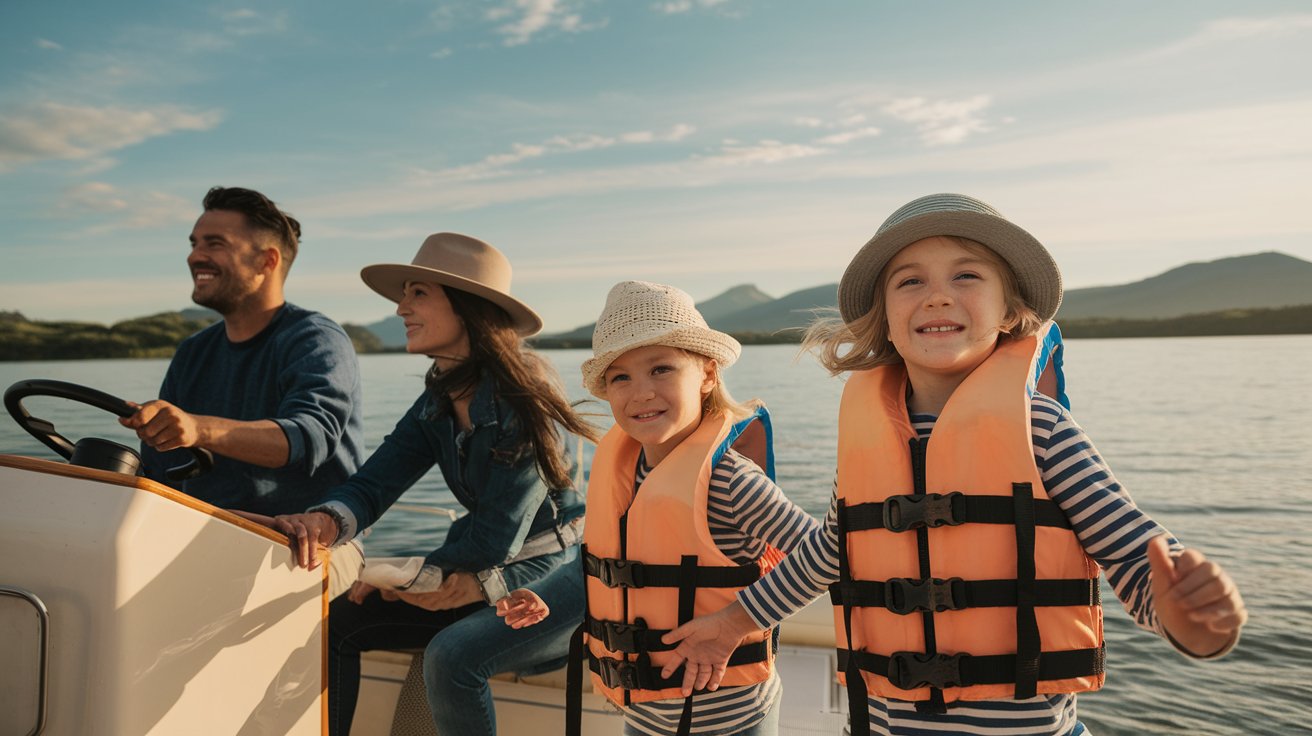
Personal flotation devices (PFDs) are mandatory for every person aboard your vessel. Modern life jackets in 2026 feature improved comfort, automatic inflation systems, and integrated safety whistles. Additional safety items include flares, a first aid kit, fire extinguisher, and emergency radio communication device. Consider packing a waterproof emergency kit containing essential medications, emergency contact information, and backup signaling devices.
Sun Protection and Weather Gear
Protecting yourself from the sun’s intense rays reflected off water is crucial when planning what to bring for a day on a boat. UV exposure on water can be 25% higher than on land due to reflection, making comprehensive sun protection essential for preventing burns and long-term skin damage.
Sunscreen and UV Protection
Choose a broad-spectrum sunscreen with SPF 30 or higher, preferably reef-safe formulations to protect marine ecosystems. Water-resistant sunscreens lasting 80 minutes are ideal for boating activities. Pack extra sunscreen for reapplication every two hours, and consider zinc-based options for sensitive areas like nose and ears. Don’t forget lip balm with SPF protection, as lips are particularly vulnerable to sun damage on the water.
Protective Clothing and Accessories
A wide-brimmed bucket hat provides essential face and neck protection while staying secure in boat winds. Lightweight, long-sleeved UPF-rated shirts offer excellent sun protection without overheating. High-quality polarized sunglasses reduce glare and eye strain while improving visibility on water. Pack a lightweight rain jacket or windbreaker for sudden weather changes, especially important during afternoon thunderstorm season in many U.S. coastal areas.
Hydration and Food Essentials
Proper hydration and nutrition are vital components of what to pack for a day boating adventure. The combination of sun, wind, and physical activity can lead to rapid dehydration, making it essential to bring adequate water and appropriate snacks for your group size and trip duration.
Water and Beverages
Bring at least one gallon of water per person for day trips, stored in insulated containers to maintain cool temperatures. Stainless steel or BPA-free plastic water bottles work best for boating environments. Electrolyte drinks help replace minerals lost through sweating, especially during hot summer days. Avoid excessive alcohol consumption, as dehydration and impaired judgment pose serious safety risks on water.
Boat-Friendly Food Options
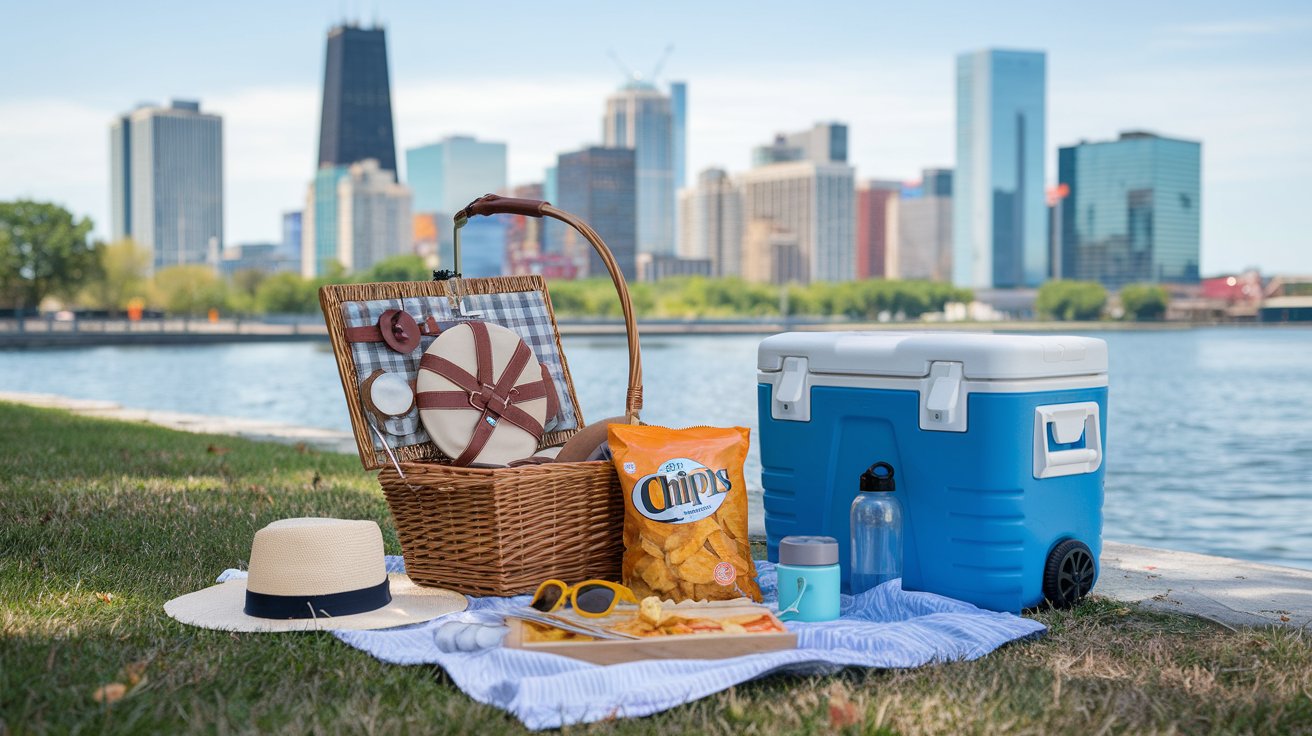
Pack non-perishable snacks and meals in waterproof containers to prevent spoilage and mess. Sandwiches, fresh fruit, nuts, and energy bars provide sustained energy without requiring preparation on board. Avoid foods that spoil quickly in heat or create strong odors that might attract marine life. Consider what not to eat before boating – heavy, greasy foods can contribute to seasickness, so opt for light, easily digestible options instead.
Proper Boating Clothing and Footwear
Selecting appropriate clothing is a critical aspect of what to pack for a sailing day trip or any boating adventure. The marine environment presents unique challenges including changing weather, wet conditions, and the need for freedom of movement while maintaining comfort and protection.
Quick-Dry and Moisture-Wicking Fabrics
Choose clothing made from synthetic materials or merino wool that dry quickly and wick moisture away from your body. Cotton clothing retains water and loses insulating properties when wet, making it unsuitable for boating activities. Pack extra layers including a fleece or insulated jacket for cooler evening temperatures. Lightweight, breathable fabrics help regulate body temperature in varying weather conditions throughout the day.
Appropriate Boating Footwear
Non-slip boat shoes or deck shoes with good traction prevent slipping on wet surfaces and protect feet from hot deck materials. Avoid flip-flops or sandals without heel straps, as they can easily fall off or provide inadequate protection. Water shoes offer excellent grip and protection for swimming or walking on rocky shores. Pack an extra pair of dry socks and shoes for comfort after water activities.
Navigation and Communication Equipment
Modern boating trips benefit from reliable navigation and communication tools that enhance safety and convenience on the water. While many boats have built-in systems, backup equipment ensures you can navigate and communicate effectively even if primary systems fail.
Waterproof GPS devices or smartphone cases protect essential navigation tools from water damage. VHF marine radios provide direct communication with Coast Guard and other vessels in emergency situations. Consider satellite communication devices for areas with poor cell coverage. Pack extra batteries and portable chargers to keep devices operational throughout your day boating adventure.
Personal Care and Comfort Items
Personal comfort items significantly enhance your boating experience and help you feel refreshed throughout the day. The marine environment can be harsh on skin and hair, making specific care products essential for maintaining comfort and health during extended water exposure.
Toiletries and Hygiene Products
Biodegradable soap and shampoo protect marine environments while allowing you to clean salt and sunscreen from skin and hair. Quick-dry towels made from microfiber materials pack small and dry rapidly between uses. Wet wipes provide convenient cleaning when fresh water is limited. Pack personal medications in waterproof containers, including seasickness remedies if you’re prone to motion sensitivity.
Comfort and Convenience Accessories
Waterproof seat cushions or boat chairs enhance comfort during long periods on deck. A small cooler keeps drinks and snacks at optimal temperatures throughout the day. Waterproof bags protect electronics, documents, and spare clothing from water exposure. Consider bringing a portable Bluetooth speaker for entertainment, ensuring it’s waterproof and won’t disturb other boaters or marine wildlife.
Entertainment and Recreation Gear
Including fun things to bring on a boat ensures everyone enjoys the day beyond basic transportation and safety. Recreation equipment transforms your boating trip into an adventure filled with activities for all ages and interests, making the most of your time on the water.
Snorkeling gear opens up underwater exploration opportunities in clear waters. Fishing equipment provides engaging activities and potential fresh meals. Water toys like inflatable rafts, noodles, or paddleboards add excitement for swimmers. Waterproof card games or books offer entertainment during rest periods or while anchored in calm waters.
Weather Preparation and Emergency Backup Plans
Understanding how to prepare for a day on a boat includes planning for changing weather conditions and having backup plans for unexpected situations. Weather on water can change rapidly, requiring flexibility and preparation to ensure safety and enjoyment regardless of conditions.
Monitor weather forecasts before departure and check marine weather updates throughout the day. Pack rain gear and extra layers for temperature drops or sudden storms. Have a plan for seeking shelter or returning to harbor if conditions deteriorate. Emergency backup plans should include alternative destinations, emergency contacts, and procedures for various scenarios that might arise during your boating day trip.
Items to Avoid Bringing on Your Boat
Knowing what not to bring on a boat is equally important as knowing what to pack for a safe and enjoyable experience. Certain items can pose safety risks, damage your vessel, or create unnecessary complications during your day on the water.
Avoid bringing glass containers that can break and create dangerous shards on deck. Skip heavy cotton clothing that stays wet and cold for extended periods. Don’t pack excessive amounts of gear that crowd the boat and create safety hazards. Avoid bringing valuable electronics without proper waterproof protection, and leave unnecessary jewelry that could be lost overboard. Strong-scented foods or perfumes can attract unwanted marine life or cause discomfort in enclosed spaces.
Related video about what to pack for a day boating
This video complements the article information with a practical visual demonstration.
Essential Q&A about what to pack for a day boating
What should I bring for a day on a boat?
Essential items include personal flotation devices, sunscreen, water, snacks, appropriate clothing, non-slip shoes, first aid kit, and navigation equipment. Pack sun protection, rain gear, and entertainment items in waterproof containers. Bring extra layers for temperature changes and ensure all safety equipment meets current U.S. Coast Guard requirements for your vessel size.
How should I prepare for a day on a boat?
Check weather forecasts and marine conditions before departure. Inspect safety equipment and ensure adequate fuel and supplies. Inform someone onshore of your plans including departure time, destination, and expected return. Review boat systems, pack appropriate gear, and brief all passengers on safety procedures and emergency plans.
What items should I avoid bringing on a boat?
Avoid glass containers, cotton clothing, excessive gear that creates clutter, unprotected electronics, valuable jewelry, and strong-scented items. Don’t bring more people than your boat’s capacity allows, and avoid heavy or bulky items that could become dangerous projectiles in rough conditions.
What foods should I not eat before boating?
Avoid heavy, greasy, or spicy foods that can contribute to seasickness. Skip dairy products if you’re lactose sensitive, and limit alcohol consumption. Avoid foods with strong odors or those that spoil quickly in heat. Opt for light, easily digestible meals and stay hydrated with water rather than caffeinated beverages.
How much water should I bring for day boating?
Pack at least one gallon of water per person for day trips, plus extra for cooking or cleaning if needed. In hot climates or during strenuous activities, increase this amount significantly. Store water in insulated containers and bring electrolyte drinks to replace minerals lost through sweating and sun exposure.
What safety equipment is required for day boating in 2026?
U.S. Coast Guard requirements include personal flotation devices for each person aboard, fire extinguisher, sound signaling device, visual distress signals for boats over 16 feet, and navigation lights for after-dark operation. Additional recommended safety items include first aid kit, VHF radio, flares, and emergency position indicating radio beacon (EPIRB) for offshore trips.
| Category | Essential Items | Key Benefit |
|---|---|---|
| Safety Equipment | PFDs, First Aid Kit, Flares, VHF Radio | Emergency preparedness and legal compliance |
| Sun Protection | SPF 30+ Sunscreen, Sunglasses, Hat | Prevents UV damage and skin cancer |
| Hydration & Food | 1 Gallon Water/Person, Light Snacks | Maintains energy and prevents dehydration |
| Clothing | Quick-Dry Fabrics, Layers, Boat Shoes | Comfort and protection in marine environment |
| Navigation | GPS, Marine Charts, Compass | Safe navigation and emergency backup |