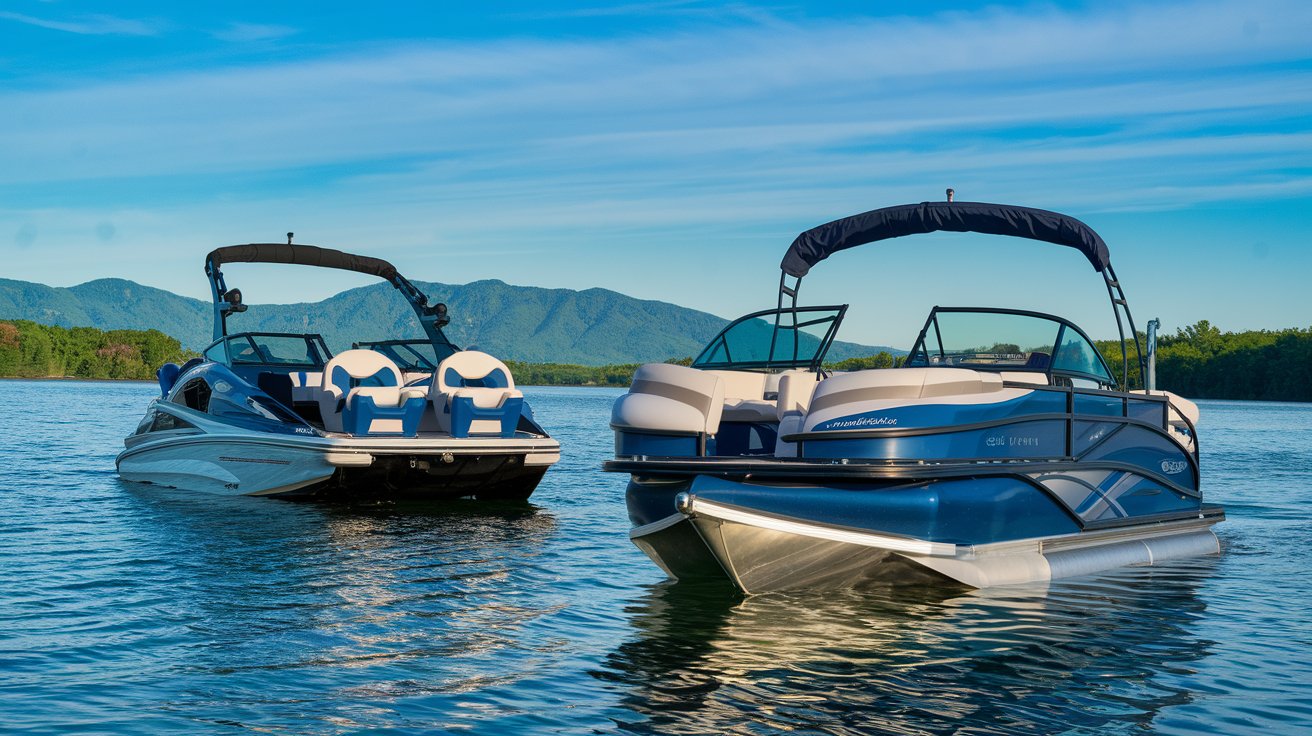
An open bow boat, commonly called a bowrider, features an open seating area at the front of the vessel that allows passengers to sit facing forward with their feet in the bow section. These versatile recreational boats have become increasingly popular among American families, with over 280,000 bowriders registered in the United States as of 2026, making them one of the most sought-after boat types for day cruising, water sports, and family entertainment.
Understanding Open Bow Boat Design and Features
The defining characteristic of an open bow boat is its accessible forward seating area, which differentiates it from traditional boats with closed or pointed bows. This design creates additional seating capacity and social space, typically accommodating 6-12 people depending on the boat’s size. The bow area features cushioned seating with backrests, cup holders, and often storage compartments underneath the seats.
Modern bowriders incorporate advanced hull designs that balance performance with stability. The deep-V hull configuration provides excellent handling in various water conditions, while the beam width ensures stability when passengers move around the boat. Safety features include non-slip surfaces, grab rails, and properly positioned cleats for secure docking and anchoring.
Key Structural Components
The open bow design includes several critical components that enhance functionality and safety. The bow gate or walk-through windshield allows easy access from the cockpit to the bow seating area. Drainage systems prevent water accumulation in the bow section, while cushioned seating materials resist UV damage and moisture. Many 2026 models feature integrated Bluetooth speakers and USB charging ports specifically designed for the bow area.
Safety and Construction Standards
Open bow boats must meet stringent USCG safety standards, including specific requirements for seating arrangements and weight distribution. The National Marine Manufacturers Association (NMMA) certification ensures proper construction methods, including reinforced gelcoat, quality fiberglass layup, and appropriate flotation materials. Modern bowriders feature improved safety glass windshields and rounded edges throughout the bow area to minimize injury risk.
Types and Sizes of Open Bow Boats
Bowrider boats come in various sizes ranging from compact 16-foot models perfect for small families to large 30-foot vessels suitable for extended groups. Small bowriders (16-20 feet) typically accommodate 6-8 people and are ideal for lakes and calm coastal waters. Mid-size models (21-25 feet) offer enhanced comfort and performance, while large bowriders (26-30 feet) provide luxury amenities and offshore capabilities.
Compact Bowriders (16-20 feet)
Smaller open bow boats represent the most popular segment in the American market, with approximately 45% of new bowrider sales in 2026 falling within this size range. These boats typically feature single outboard engines ranging from 90-200 horsepower, making them fuel-efficient and easy to trailer. Popular models include the Bayliner VR5, Sea Ray SPX 190, and Chaparral 19 H2O, with prices ranging from $35,000 to $65,000.
Mid-Size and Large Bowriders (21-30 feet)
Larger bowrider boats offer enhanced comfort features including premium upholstery, advanced sound systems, and extended swim platforms. These boats often feature dual outboard engines or single high-performance engines exceeding 300 horsepower. Premium brands like Cobalt, Monterey, and Formula offer luxury bowriders with prices ranging from $80,000 to $300,000, featuring amenities like wet bars, changing rooms, and sophisticated navigation systems.
Open Bow Boats vs Other Boat Types
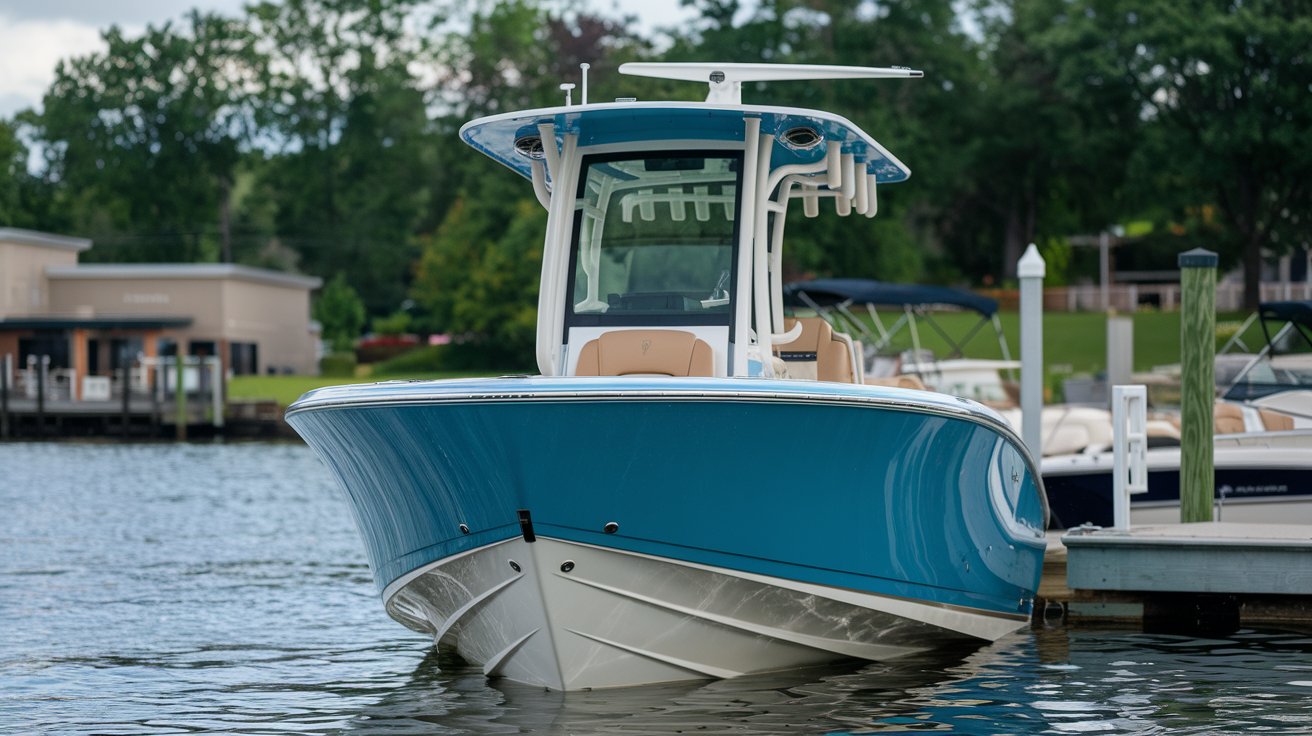
When comparing open bow boats to other recreational vessel types, several key differences emerge in terms of design, functionality, and intended use. Unlike deck boats which prioritize maximum deck space with a wider beam, bowriders focus on performance and versatility. Center console boats excel in fishing applications but lack the social seating configuration that makes bowriders ideal for family recreation.
The bowrider vs deck boat comparison reveals that deck boats typically offer more overall seating capacity due to their wider design, while bowriders provide superior handling and speed performance. Cuddy cabin boats include sleeping accommodations that bowriders lack, but open bow designs offer better social interaction and easier movement throughout the vessel during anchoring or water sports activities.
Best Uses and Activities for Open Bow Boats
Open bow boats excel in multiple recreational activities, making them versatile choices for American boat owners. Day cruising represents the primary use, with the bow seating providing an ideal vantage point for sightseeing and socializing. Water sports activities including wakeboarding, tubing, and skiing benefit from the boat’s performance capabilities and easy passenger access to the water via the bow area.
Family Recreation and Entertainment
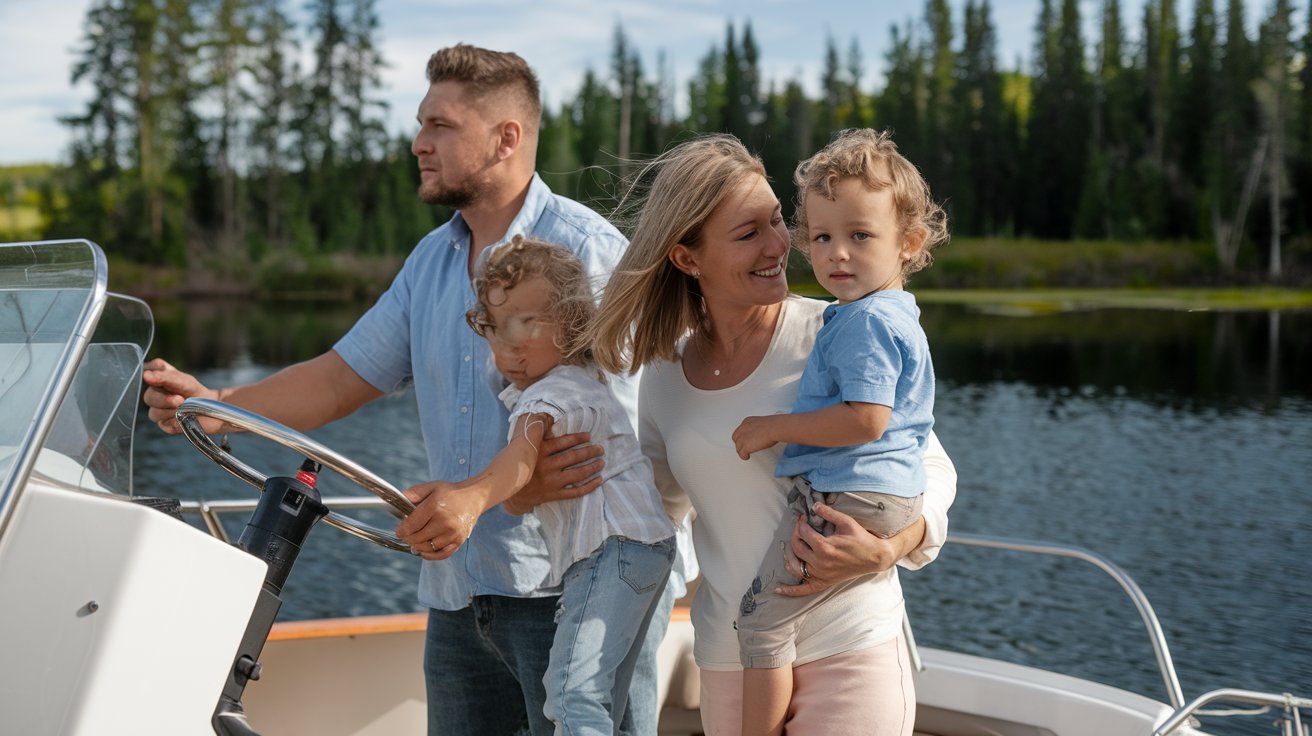
The social design of bowrider boats makes them exceptional for family gatherings and entertainment. The bow seating allows parents to supervise children while maintaining conversation with other adults in the cockpit. Swimming and sunbathing activities are enhanced by the easy water access from the bow area, while the open design facilitates games and social interaction during anchoring periods.
Water Sports and Active Recreation
For water sports enthusiasts, open bow boats provide excellent platforms for various activities. The bow seating offers optimal spotting positions for skiers and wakeboarders, while the boat’s performance characteristics deliver appropriate wake patterns and speeds. Many 2026 models include integrated ski pylons, ballast systems for wake enhancement, and specialized storage for water sports equipment.
Popular Open Bow Boat Brands and Models 2026
The American bowrider boat market features numerous established manufacturers offering diverse models to meet varying needs and budgets. Sea Ray continues to dominate the premium segment with models like the SPX series, while Bayliner provides affordable entry-level options. Chaparral, Cobalt, and Monterey represent the mid-to-luxury market with innovative features and superior construction quality.
Emerging trends in 2026 include electric and hybrid propulsion systems, with brands like X Shore and Candela introducing electric open bow boats capable of extended range and virtually silent operation. Traditional manufacturers are also incorporating sustainable materials and energy-efficient systems to meet growing environmental consciousness among American boaters.
Entry-Level and Budget-Friendly Options
For first-time boat owners, several manufacturers offer quality open bow boats at accessible price points. Bayliner’s VR series starts around $30,000 for new models, while Yamaha’s SX series combines reliability with performance. Four Winns and Glastron provide mid-range options with enhanced features and build quality, typically priced between $45,000 and $70,000 for popular 19-21 foot models.
Premium and Luxury Bowrider Brands
Luxury bowrider boats feature premium materials, advanced technology, and superior craftsmanship. Cobalt’s R series incorporates hand-laid fiberglass construction and luxury appointments, while Formula boats offer race-inspired performance with elegant styling. Monterey’s M series combines innovation with traditional craftsmanship, featuring amenities like JL Audio sound systems, premium upholstery, and advanced helm electronics.
Buying Guide: What to Consider for Open Bow Boats
When purchasing an open bow boat, several factors require careful consideration to ensure the vessel meets your specific needs and expectations. Intended use patterns significantly influence size and feature requirements, while budget considerations affect both initial purchase price and ongoing ownership costs. Storage and transportation logistics play crucial roles, particularly for buyers without direct water access.
Engine selection represents a critical decision point, with outboard motors offering easier maintenance and fuel efficiency, while inboard engines provide quieter operation and more interior space. The boat’s construction quality, warranty coverage, and dealer support network should factor into the decision-making process, especially for first-time boat owners unfamiliar with marine equipment maintenance requirements.
Maintenance and Ownership Costs
Owning an open bow boat involves various ongoing costs beyond the initial purchase price. Annual maintenance typically ranges from $2,000 to $5,000 depending on boat size, usage patterns, and engine type. Regular service requirements include engine maintenance, bottom cleaning, and winterization in northern climates. Insurance costs vary by location and boat value, averaging $500 to $2,000 annually for most recreational bowriders.
Storage represents a significant ongoing expense, with marina slips costing $1,500 to $8,000 annually depending on location and amenities. Trailer storage at home reduces costs but requires proper preparation for weather protection. Fuel costs for bowrider boats depend heavily on usage patterns and engine efficiency, with typical weekend recreational use consuming 10-25 gallons per outing.
Related video about what is an open bow boat
This video complements the article information with a practical visual demonstration.
Most asked questions about what is an open bow boat
What does open bow mean on a boat?
Open bow refers to a boat design with accessible seating in the front section (bow) of the vessel, allowing passengers to sit facing forward with their feet in an open area. This design contrasts with closed bow boats that have solid decking or pointed fronts without passenger access.
Are bowriders good for beginners?
Yes, bowriders are excellent for beginners because they offer stable handling, intuitive controls, and forgiving performance characteristics. The open design provides good visibility and easy passenger movement, while most models feature straightforward engine controls and user-friendly helm layouts that help new boaters build confidence on the water.
What are open bow boats best used for?
Open bow boats excel at day cruising, family recreation, water sports, and social activities. They’re ideal for swimming, sunbathing, tubing, skiing, and entertaining groups. The bow seating provides excellent viewing and social space while the boat’s performance capabilities support various water sports activities.
How much do open bow boats typically cost?
New open bow boats range from $30,000 for entry-level 16-18 foot models to over $300,000 for luxury 28-30 foot vessels. Mid-range 20-22 foot bowriders typically cost $50,000-$90,000, while used boats can start around $15,000 depending on age, condition, and features.
What size open bow boat is best for a family?
For most families, a 20-23 foot open bow boat provides the ideal balance of capacity, performance, and manageability. This size typically accommodates 8-10 people comfortably, offers adequate storage, and remains trailerable with most SUVs or trucks while providing sufficient power for water sports activities.
Do open bow boats work well in rough water?
Quality open bow boats with deep-V hulls handle moderate rough water well, but they’re primarily designed for lakes, rivers, and calm coastal waters. While they can manage choppy conditions, their open design makes them less suitable than center console or cabin boats for extended offshore or rough water use.
| Key Aspect | Important Details | Benefit |
|---|---|---|
| Open Bow Design | Forward seating area with easy access | Enhanced social interaction and viewing |
| Size Range | 16-30 feet with 6-12 person capacity | Options for all family sizes and budgets |
| Versatility | Cruising, water sports, entertainment | One boat serves multiple purposes |
| Price Range | $30,000-$300,000+ depending on size/features | Entry-level to luxury options available |
| Maintenance | $2,000-$5,000 annually with proper care | Predictable ownership costs |