Planning a family boating trip requires careful preparation to ensure safety, comfort, and unforgettable memories on the water. With proper planning, the right equipment, and safety protocols, your family can enjoy America’s waterways while creating lasting bonds. This comprehensive guide covers everything from essential safety equipment to entertainment options for a successful family boating adventure.
Essential Pre-Trip Planning and Safety Preparation
Before embarking on your family boating excursion, thorough preparation is crucial for a safe and enjoyable experience. The use of a trip plan is recommended for all boating excursions, especially when traveling with children. Start by checking weather conditions, tide charts, and water levels for your intended destination. Create a detailed itinerary including departure times, route plans, and emergency contact information. According to 2026 U.S. Coast Guard statistics, proper trip planning reduces boating accidents by 73% compared to spontaneous outings.
When should the mechanical condition of a boat be checked? Inspect your vessel at least 48 hours before departure to allow time for repairs. Check engine oil levels, fuel systems, battery charge, navigation lights, and all safety equipment. Ensure your boat registration and operator licenses are current and easily accessible. Document any mechanical issues and address them immediately, as equipment failure accounts for 15% of family boating emergencies in American waters.
Creating and Filing Your Boat Trip Plan
A comprehensive boat trip plan should include your vessel information, passenger names and emergency contacts, intended route with waypoints, estimated departure and return times, and communication equipment onboard. With whom should a sail plan be filed? Always file your plan with a responsible person onshore who can contact authorities if you don’t return as scheduled. Include backup plans for weather changes and designated safe harbors along your route. Modern trip planning apps now integrate with Coast Guard systems for automated check-ins.
Required Safety Equipment and Documentation
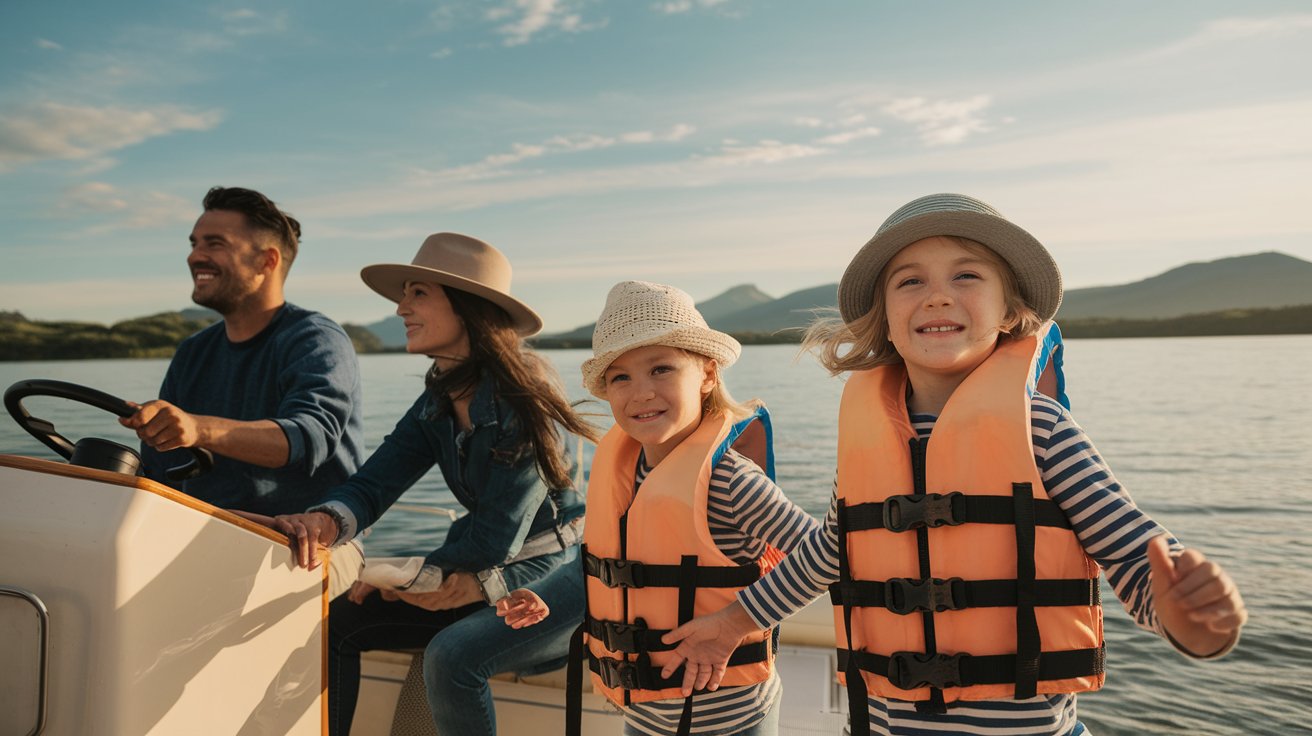
What should boat operators have on board for family trips? Federal law requires personal flotation devices for each passenger, fire extinguishers, sound signaling devices, and visual distress signals. For family boating, add extra safety equipment including first aid kits, emergency food and water, waterproof flashlights, and marine radio. Children’s PFDs must be Coast Guard approved and properly fitted. Keep all documentation including boat registration, insurance papers, and operator licenses in waterproof containers for easy access during inspections.
Selecting the Best Family Boat and Equipment Setup
What is the best all around family boat for recreational trips? Pontoon boats lead 2026 family preferences with 34% market share due to their stability, space, and safety features. Deck boats offer versatility for various water activities, while bowrider boats provide excellent performance for water sports. Consider your family size, typical activities, and local water conditions when choosing. Family-friendly boats should feature non-skid surfaces, adequate seating, shade options, and easy boarding access for children and elderly passengers.
Essential onboard equipment for family comfort includes coolers with ice, portable toilets, sun protection gear, and entertainment systems. Install safety railings and consider adding boarding ladders for easy water access. Modern family boats often feature integrated swim platforms, freshwater shower systems, and designated storage for water toys. Ensure adequate life jacket storage that’s easily accessible to all family members during emergencies.
Kid-Friendly Activities and Entertainment Planning
Successful family boating trips require engaging activities for all ages to prevent boredom and ensure everyone enjoys the water experience. Pack water toys including floating devices, snorkeling gear, fishing equipment, and games suitable for various ages. Create designated entertainment zones on your boat with comfortable seating and shade coverage. Consider portable gaming devices with waterproof cases, coloring books, and interactive water games that encourage family participation.
Involve your kids in boat operations by teaching them basic boating skills like knot tying, navigation basics, and safety procedures. Assign age-appropriate responsibilities such as watching for obstacles, operating the marine radio under supervision, or helping with docking procedures. Educational activities like marine life identification, weather observation, and chart reading make the trip both fun and educational while building confidence on the water.
Water Sports and Swimming Safety
When planning water activities, establish clear safety rules before entering the water. Designate a swimming area away from boat traffic and ensure constant adult supervision. Use brightly colored flotation devices to maintain visibility, and establish buddy systems for older children. Install a swim ladder and consider adding a swim platform flag to alert other boaters. Water sports equipment should be age-appropriate and regularly inspected for damage or wear.
Creating Comfortable Onboard Spaces
Design kid-friendly hangout areas with soft surfaces, secure storage, and easy cleaning capabilities. Install snap-in carpeting for comfort and safety, and use marine-grade cushions that resist water damage. Create shaded areas using bimini tops or portable canopies to protect from sun exposure. Organize storage systems that allow children to access their belongings safely while keeping essential items secure during boat movement.
Navigation and Route Planning Strategies
Is there a Google Maps for boating? Popular marine navigation apps include Navionics, Garmin BlueChart, and C-MAP, offering detailed charts, weather updates, and real-time tracking. Plan routes that include family-friendly destinations such as protected coves, beaches with amenities, and marinas with fuel and supplies. Consider shorter distances for first-time family trips, allowing extra time for activities and unexpected delays. Modern GPS chartplotters integrate with smartphone apps for seamless navigation and emergency communication.
Route planning should account for tidal changes, bridge schedules, and fuel consumption rates. Mark safe harbors and emergency shelters along your route, and identify locations with medical facilities nearby. Share your navigation plan with all adults aboard and ensure backup navigation methods are available. Weather routing features help avoid dangerous conditions while maximizing family comfort during the journey.
Health and Safety Considerations for Families
What is the best way to minimize the risk of dehydration while boating in warm weather? Provide unlimited access to fresh water, encourage regular hydration breaks, and monitor family members for heat exhaustion symptoms. Pack electrolyte supplements and avoid excessive alcohol consumption by adults. Create cooling stations with wet towels, portable fans, and spray bottles. Schedule activities during cooler morning and evening hours while seeking shade during peak sun exposure times.
Prepare a comprehensive first aid kit including motion sickness remedies, sunscreen with high SPF ratings, insect repellent, and basic medical supplies. Train at least one adult in marine first aid and CPR procedures. Identify family members with medical conditions and pack necessary medications in waterproof containers. Establish communication protocols for medical emergencies including Coast Guard contact procedures and nearest medical facility locations.
Sun Protection and Weather Preparedness
Implement comprehensive sun protection strategies including broad-spectrum sunscreen application every two hours, protective clothing with UPF ratings, and wide-brimmed hats. Install additional shade structures like T-tops or extended biminis to create protected areas. Monitor UV index levels and plan indoor activities during peak exposure times. Pack extra clothing for temperature changes and weather protection equipment including rain gear and windbreakers.
Emergency Preparedness and Communication
Establish clear emergency procedures that all family members understand, including man overboard protocols, fire emergency responses, and mechanical failure procedures. What should you do if your boat suffers a mechanical failure? Immediately assess safety, signal for assistance using proper distress signals, and contact Coast Guard or marine assistance services. Maintain multiple communication devices including VHF radios, cell phones in waterproof cases, and emergency beacons for offshore trips.
Food Planning and Meal Preparation
Plan meals that are easy to prepare, consume, and clean up while maintaining food safety in marine environments. Pack non-perishable snacks, pre-prepared sandwiches, and beverages in insulated coolers with adequate ice. Consider dietary restrictions and pack alternatives for family members with food allergies. Bring biodegradable cleaning supplies and plan waste disposal strategies that comply with marine environmental regulations.
Meal timing should coordinate with boating activities and weather conditions. Pack extra food and water beyond planned consumption to handle unexpected delays or emergency situations. Use marine-grade coolers with superior insulation and secure latches to prevent spillage during boat movement. Create designated dining areas with stable surfaces and secure seating to ensure safe meal consumption while underway.
Shore Excursions and Destination Activities
Get off the boat regularly to explore waterfront destinations and break up long periods aboard. Research family-friendly marinas with amenities like restrooms, playgrounds, restaurants, and fuel services. Plan shore activities including beach exploration, hiking trails, historical sites, and local attractions accessible from marina locations. Many coastal destinations offer family packages including guided tours, educational programs, and recreational facilities designed for boating families.
Coordinate shore excursions with tidal schedules and marina availability to ensure smooth transitions between boat and land activities. Pack day bags with essentials for shore exploration including identification, emergency contacts, and local currency. Research local regulations regarding pets, alcohol, and recreational activities to ensure compliance during shore visits. Document family memories with waterproof cameras and create trip journals that children can maintain throughout the adventure.
Related video about how to plan a family boating trip
This video complements the article information with a practical visual demonstration.
FAQ – Common Questions
What are the three R’s in boating safety for families?
The three R’s in family boating are Recognize hazardous situations early, Respond appropriately with proper safety procedures, and Recover effectively from emergency situations. This framework helps families maintain safety awareness while enjoying water activities. Teaching children these principles builds confidence and promotes responsible boating behavior throughout their lives.
What should be included in a comprehensive family boating trip plan?
A complete family trip plan should include vessel information and registration, passenger manifest with emergency contacts, detailed route with waypoints and alternate destinations, departure and estimated return times, communication equipment onboard, weather contingency plans, and shore contact person details. File this plan with a responsible person who can alert authorities if you don’t return as scheduled.
What is the purpose of a pleasure craft courtesy check before family trips?
Pleasure craft courtesy checks ensure your boat meets safety requirements and operates properly before family excursions. These voluntary inspections by certified examiners verify required safety equipment, proper boat registration, adequate life jackets for all passengers, and functional safety systems. Boats passing inspection receive decals that may reduce insurance premiums and demonstrate safety compliance to marine patrol officers.
How do you choose the best family boat for different activities?
Select boats based on your family size, typical activities, and local water conditions. Pontoon boats offer maximum stability and space for relaxation and fishing. Bowriders provide versatility for water sports and cruising. Deck boats combine space with performance capabilities. Consider features like easy boarding, adequate shade, non-skid surfaces, and sufficient storage for family gear and safety equipment.
What emergency equipment should families carry beyond basic requirements?
Beyond federally required safety equipment, families should carry comprehensive first aid kits, extra food and water, emergency shelter, marine-grade flashlights, backup communication devices, emergency cash, and age-appropriate comfort items for children. Include motion sickness remedies, extra clothing, and backup batteries for electronic devices. Consider EPIRB beacons for offshore family trips.
How can families minimize environmental impact during boating trips?
Practice responsible boating by using pump-out facilities for waste disposal, avoiding sensitive marine habitats, using biodegradable cleaning products, and properly disposing of all trash. Teach children about marine ecosystems and wildlife protection. Maintain proper distances from marine mammals, avoid anchoring on coral or grass beds, and follow no-discharge zones regulations. Use reef-safe sunscreens to protect aquatic environments.
| Planning Aspect | Key Requirements | Family Benefits |
|---|---|---|
| Safety Preparation | Trip plan filing, equipment checks, weather monitoring | 73% reduction in accidents, peace of mind |
| Boat Selection | Family-sized vessel with safety features and comfort amenities | Enhanced comfort, easier supervision, better experiences |
| Activity Planning | Age-appropriate entertainment, educational opportunities | Engaged children, memorable experiences, skill building |
| Emergency Readiness | Communication devices, first aid supplies, backup plans | Rapid response capability, family confidence |
| Route Planning | Navigation tools, family-friendly destinations, fuel stops | Efficient travel, diverse experiences, safety margins |