Learning how to anchor a boat correctly is essential for every boater’s safety and peace of mind. Proper anchoring involves selecting the right anchor type, choosing an appropriate location, and deploying your anchor with correct technique. Whether you’re a beginner or experienced boater, mastering these fundamental skills ensures your vessel stays secure while you enjoy time on the water in United States waters.
Understanding Different Types of Boat Anchors
Selecting the right anchor type depends on your boat size, bottom conditions, and typical anchoring scenarios. The most common anchors used by American boaters include fluke anchors, plow anchors, and mushroom anchors, each designed for specific bottom types and holding conditions. According to 2026 BoatUS Foundation data, over 65% of anchoring failures result from using improper anchor types for bottom conditions.
Fluke anchors, also known as Danforth anchors, work exceptionally well in sand and mud bottoms commonly found in coastal waters along the Atlantic and Gulf coasts. These lightweight anchors provide excellent holding power when properly set, making them ideal for recreational boaters who frequently anchor in similar bottom conditions throughout their boating season.
Fluke Anchors for Sand and Mud Bottoms
Fluke anchors excel in soft bottom conditions and are the preferred choice for many recreational boaters in the United States. These anchors dig deep into sand or mud when pressure is applied to the rode, creating exceptional holding power that increases with wind or current pressure. The sharp flukes penetrate bottom material easily, making them reliable for overnight anchoring in protected bays and harbors.
Plow Anchors for Mixed Bottom Conditions
Plow anchors, including CQR and Delta styles, perform well in mixed bottom conditions containing rock, coral, or hard sand. These anchors are heavier than fluke anchors but offer superior versatility when bottom composition varies or is unknown. Many cruising sailors prefer plow anchors because they reset automatically if the boat swings with changing wind or tide conditions.
Choosing the Perfect Anchoring Location
Selecting an appropriate anchoring location requires careful consideration of water depth, bottom type, weather conditions, and surrounding hazards. Professional marine safety experts recommend anchoring in water depths between 8-15 feet when possible, providing adequate scope while maintaining reasonable rode length for most recreational boats. The ideal anchoring spot offers protection from prevailing winds and sufficient swing room for changing conditions.
Always check local regulations before anchoring, as many areas in United States waters have anchoring restrictions or prohibited zones near shipping channels, marine sanctuaries, or private property. The U.S. Coast Guard reports that improper anchoring locations account for approximately 23% of marine assistance calls in 2026, emphasizing the importance of proper site selection.
Assessing Water Depth and Bottom Type
Use your depth finder to determine water depth and observe bottom characteristics through clear water when possible. Rocky or coral bottoms may prevent proper anchor penetration, while extremely soft mud can cause anchors to drag under load. Most experienced boaters prefer firm sand or mud bottoms that allow anchors to dig in securely without excessive penetration.
Considering Weather and Current Conditions
Evaluate current weather conditions and forecasts before anchoring, paying special attention to wind direction changes that could affect your boat’s position. Strong currents can prevent anchors from setting properly or cause excessive strain on anchor rode, particularly in tidal areas common along the East and West coasts of the United States.
Proper Anchor Deployment Techniques
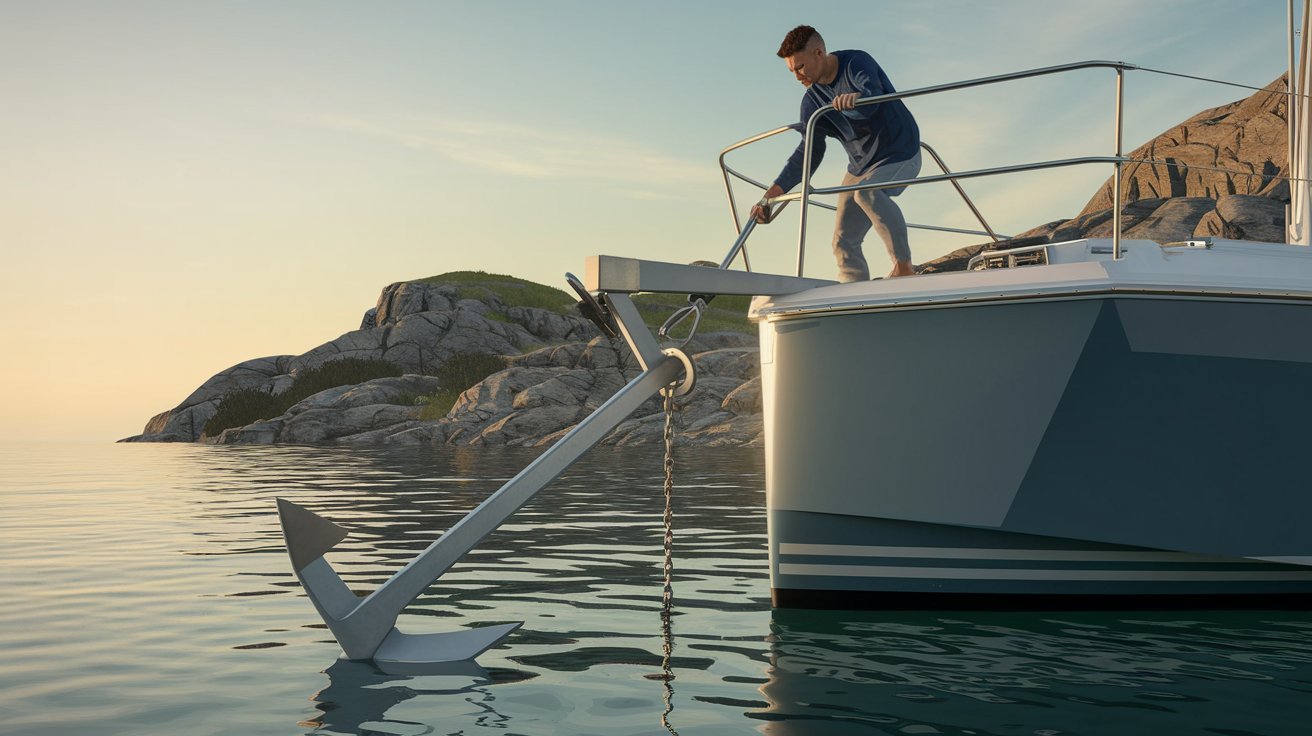
Correct anchor deployment begins with approaching your chosen spot slowly while facing into the wind or current, whichever is stronger. Stop forward motion completely before lowering the anchor to the bottom, ensuring the anchor reaches the seafloor before your boat begins drifting backward. Never throw or drop the anchor, as this can cause tangling or damage to the anchor or rode.
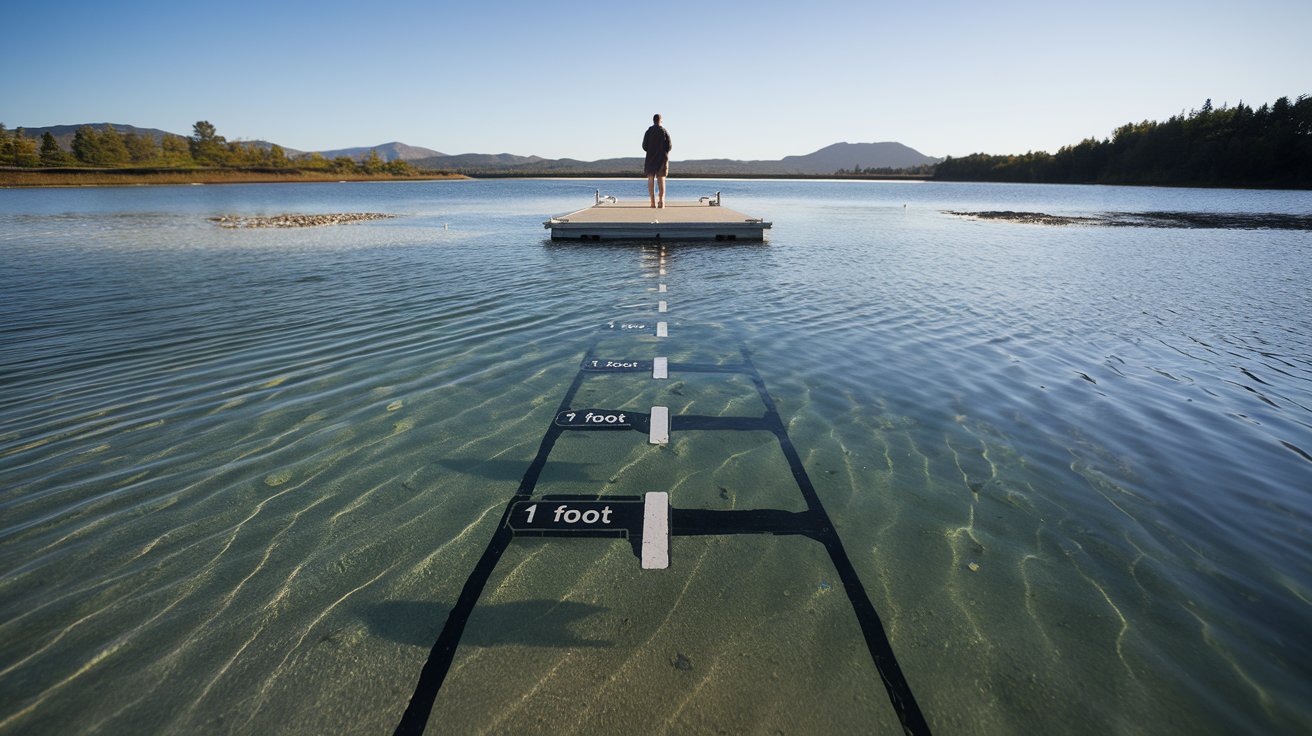
Once the anchor touches bottom, allow your boat to drift back slowly while paying out anchor rode at a scope ratio of 7:1 in normal conditions, or 10:1 in heavy weather. This means for every foot of water depth, you should deploy seven feet of rode to ensure proper anchor angle and holding power throughout changing conditions.
Setting Your Anchor for Maximum Holding Power
After deploying adequate scope, set the anchor by applying gentle reverse thrust while monitoring your GPS position or taking visual bearings on shore references. Gradually increase reverse power until you feel the anchor bite into the bottom, indicated by the boat stopping its backward movement and the rode becoming tight. A properly set anchor should hold your boat in position without dragging, even with moderate reverse thrust.
Modern GPS plotters help verify anchor holding by displaying your boat’s position relative to where you initially set the anchor. Set anchor alarms on your GPS or chartplotter to alert you if the boat moves beyond acceptable limits, typically 50-100 feet from your initial anchoring position depending on scope and conditions.
Testing Anchor Set with Reverse Thrust
Apply reverse thrust gradually to test anchor holding, starting with idle reverse and slowly increasing power to approximately 1500 RPM for most recreational boats. The anchor should hold firmly without dragging, and the rode should maintain steady tension pointing toward the anchor. If the anchor drags, retrieve it and try a different location or anchor type.
Using GPS and Visual References for Verification
Mark your anchoring position on GPS immediately after setting the anchor, then take visual bearings on fixed objects ashore to create a range system for monitoring position. Two objects in line create a reliable range that will shift if your boat moves, providing instant visual confirmation of anchor holding without relying solely on electronic systems.
Calculating Proper Scope Ratios
Understanding scope calculations is critical for safe anchoring, as insufficient scope reduces holding power dramatically while excessive scope wastes rode and increases swing radius. Calculate total water depth by adding depth at high tide plus your boat’s freeboard height, then multiply by your desired scope ratio to determine total rode length needed for secure anchoring.
In 2026, the American Boat and Yacht Council recommends minimum scope ratios of 5:1 for calm conditions, 7:1 for normal conditions, and 10:1 for storm conditions when using all-chain rode or combination chain-and-rope systems. Rope-only rodes require longer scope ratios due to their stretch characteristics and reduced holding efficiency compared to chain systems.
Essential Anchor Rode Components and Setup
A complete anchor rode system typically includes chain at the anchor end for weight and abrasion resistance, followed by rope for easier handling and storage. The chain portion should be at least equal to your boat length, with many experienced boaters preferring chain lengths of 1.5 to 2 times boat length for improved holding characteristics and reduced rode wear.
Quality anchor rode uses marine-grade materials designed for saltwater environments, with three-strand nylon rope being the most common choice for its strength, stretch, and shock-absorbing properties. Proper rode marking every 25 feet helps deploy correct scope quickly, while quality shackles and swivels prevent twisted rodes and ensure reliable connections under load.
Chain and Rope Combination Benefits
The chain and rope combination provides optimal performance by utilizing chain’s weight to maintain proper anchor angle while rope provides elasticity to absorb shock loads from wave action and wind gusts. This combination reduces wear on both anchor and boat while improving overall holding power compared to all-rope systems common on smaller boats.
Proper Rode Marking and Measurement
Mark your anchor rode at regular intervals using permanent markers or colored tape to quickly deploy correct scope without guessing. Many boaters use different colored markers for 25-foot intervals, making scope calculation simple even in poor visibility conditions when anchoring becomes necessary.
Safety Considerations and Best Practices
Always maintain anchor watch when anchored, especially overnight or in changing weather conditions. Designate crew members to monitor position, weather, and surrounding boat traffic on rotating schedules. Keep engines ready for immediate start and have alternative anchoring plans prepared if conditions deteriorate beyond your comfort level or equipment capabilities.
Emergency anchor retrieval procedures should be practiced regularly, including cutting rode if necessary to avoid collision or grounding situations. Install proper rode storage systems that allow quick deployment and retrieval while keeping decks clear of tripping hazards that could cause injury during anchoring operations.
Related video about how to anchor a boat correctly
This video complements the article information with a practical visual demonstration.
Most asked questions about how to anchor a boat correctly
What is the proper scope ratio for anchoring in normal conditions?
The recommended scope ratio for normal anchoring conditions is 7:1, meaning you should deploy seven feet of rode for every foot of water depth. This ratio ensures proper anchor angle and holding power. In calm conditions, 5:1 may be sufficient, while storm conditions require 10:1 scope for maximum security.
How do I know if my anchor is properly set?
A properly set anchor will hold your boat firmly in position when you apply gentle reverse thrust. Test by gradually increasing reverse power to about 1500 RPM while monitoring your GPS position. The rode should become tight and point toward the anchor without the boat continuing to move backward.
What anchor type works best for sandy bottoms?
Fluke anchors (also called Danforth anchors) work exceptionally well in sandy bottoms. Their sharp, flat flukes dig deep into sand when pressure is applied, providing excellent holding power. These lightweight anchors are popular among recreational boaters for their effectiveness in sand and mud conditions.
How much chain should I have on my anchor rode?
Most experts recommend chain length equal to your boat length as a minimum, with 1.5 to 2 times boat length being preferred. For a 30-foot boat, use 30-45 feet of chain followed by rope. The chain provides weight for proper anchor angle and protects against bottom abrasion.
Should I anchor in deep or shallow water?
Ideal anchoring depth is typically 8-15 feet when possible. This provides adequate scope without requiring excessive rode length. Avoid very shallow water where waves might cause grounding, and avoid very deep water where scope requirements become impractical for most recreational boats.
What should I do if my anchor starts dragging?
If your anchor drags, immediately start your engine and motor forward to reduce strain on the rode. Retrieve the anchor completely and reset it in a different location or try a different anchor type. Check your scope ratio and consider deploying additional rode or using a heavier anchor if conditions warrant.
| Anchoring Aspect | Recommended Practice | Safety Benefit |
|---|---|---|
| Scope Ratio | 7:1 for normal conditions | Proper holding power and anchor angle |
| Anchor Type | Match anchor to bottom conditions | Maximum holding efficiency |
| Location Selection | 8-15 feet depth, protected area | Adequate scope with manageable rode length |
| Anchor Setting | Test with reverse thrust to 1500 RPM | Confirms anchor penetration and holding |
| Position Monitoring | GPS alarms and visual ranges | Early warning of anchor dragging |