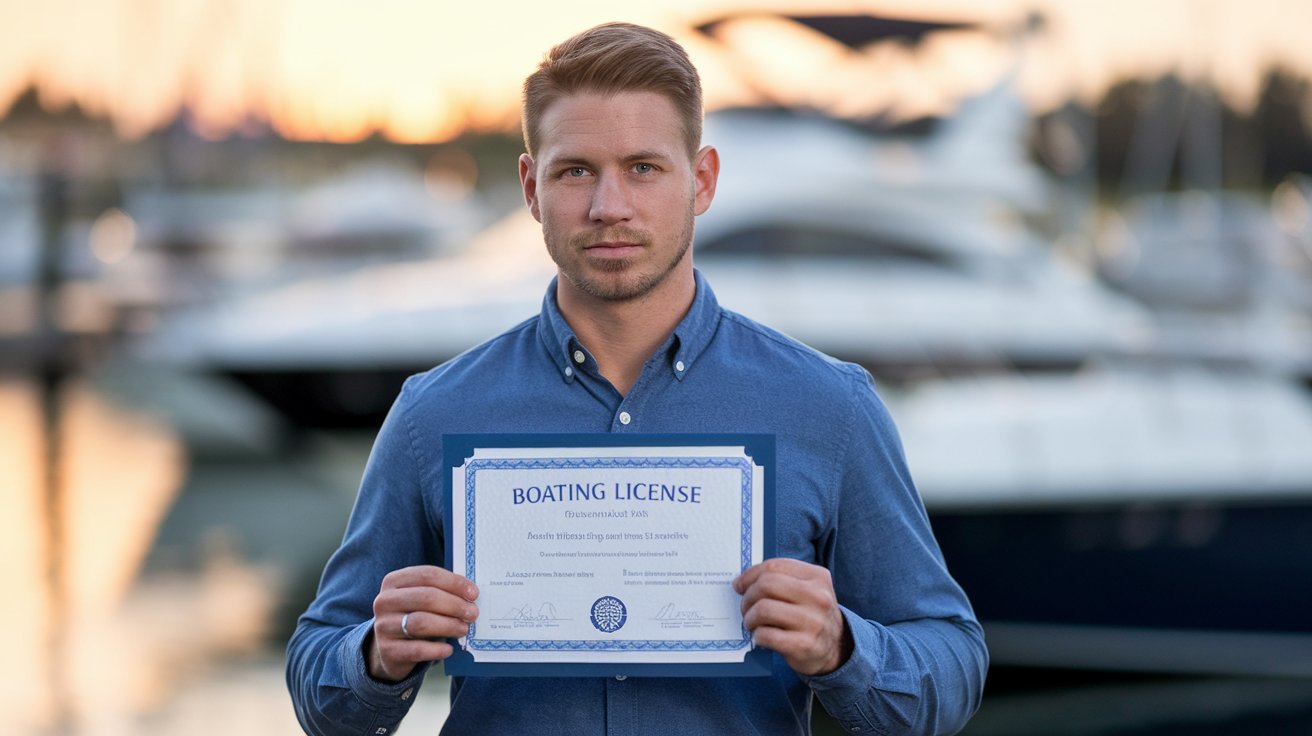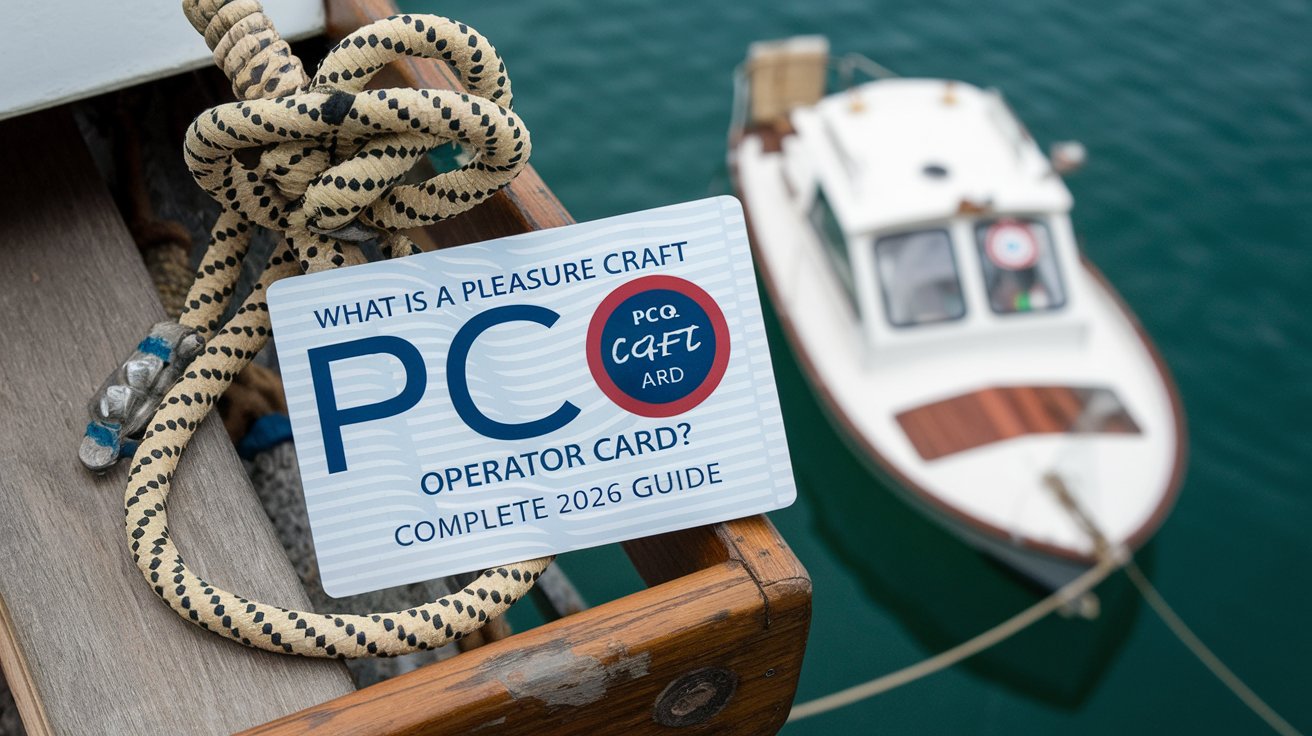
A Pleasure Craft Operator Card is a mandatory boating certification that proves an individual has completed required safety training to operate recreational watercraft. In the United States, various states require different forms of boating licenses or certifications, with the Pleasure Craft Operator Card being primarily associated with Canadian waters but recognized for cross-border boating activities.
Understanding the Pleasure Craft Operator Card
The Pleasure Craft Operator Card serves as proof that the holder has successfully completed an approved boating safety course and understands fundamental watercraft operation principles. This certification demonstrates knowledge of navigation rules, safety equipment requirements, and emergency procedures essential for safe boating operations.
Unlike traditional driver’s licenses, the pleasure craft license focuses specifically on water safety protocols, environmental responsibility, and legal obligations while operating recreational vessels. The card system ensures that boat operators possess minimum competency standards before taking command of watercraft in designated waters.
Obtaining Your Pleasure Craft Operator Card
The process to get a Pleasure Craft Operator Card involves completing an accredited boating safety course through approved providers. Most courses are available online, making it convenient for prospective boaters to study at their own pace and schedule examinations when ready.
Course content typically covers essential topics including navigation rules, boat handling techniques, weather awareness, emergency procedures, and environmental stewardship. Students must demonstrate mastery of these subjects by passing a comprehensive examination with a minimum score requirement.
Boating Safety Course Requirements
Approved boating safety courses must meet specific curriculum standards established by maritime authorities. These courses include modules on collision avoidance, distress signaling, equipment inspections, and legal responsibilities of vessel operators in various water conditions and jurisdictions.
Examination Process and Certification
The final examination tests knowledge across all course modules, requiring candidates to achieve passing scores typically ranging from 75-80 percent. Upon successful completion, candidates receive their Pleasure Craft Operator Card which serves as permanent proof of competency unless specific renewal requirements apply.
What You Can Operate with a Pleasure Craft Operator Card
A Pleasure Craft Operator Card authorizes the holder to operate various types of recreational watercraft including motorboats, sailboats, personal watercraft, and other pleasure vessels within specified power and size limitations. The specific vessels covered depend on the issuing jurisdiction and any additional endorsements.
However, certain restrictions may apply based on the operator’s age, vessel horsepower, and local regulations. Commercial vessels, charter boats, and vessels used for business purposes typically require additional certifications beyond the basic pleasure craft license qualification.
Horsepower Restrictions and Age Requirements
Many jurisdictions impose horsepower restrictions for younger operators, even with valid Pleasure Craft Operator Cards. These limitations ensure that inexperienced operators don’t command vessels beyond their skill and physical capabilities to handle safely in various water conditions.
Typical age-based restrictions include maximum engine power limits for operators under 16 years old, supervised operation requirements for minors, and progressive licensing systems that allow increased privileges as operators gain experience and demonstrate continued competency.
Youth Operator Guidelines
Young boaters with a Pleasure Craft Operator Card must often operate under adult supervision until reaching specific age milestones. These requirements vary by jurisdiction but commonly include restrictions on nighttime operation, passenger limits, and maximum distance from shore for unsupervised operation.
Progressive Licensing Systems
Some regions implement graduated licensing programs where new pleasure craft operators receive increasing privileges over time. These systems may start with basic certification and expand to include endorsements for larger vessels, commercial operation, or specialized watercraft categories as experience accumulates.
Pleasure Craft Operator Card vs Boating License Differences
The difference between a Pleasure Craft Operator Card and a boating license lies primarily in terminology and specific regulatory frameworks. While both serve as proof of boating competency, different jurisdictions may use varying names for essentially similar certifications with comparable requirements and privileges.
In the United States, individual states issue their own boating licenses or certifications, while the Pleasure Craft Operator Card terminology is more commonly associated with Canadian waters. However, many states recognize equivalent foreign certifications through reciprocity agreements for visiting boaters.
Card Expiry and Renewal Requirements
Regarding whether a Pleasure Craft Operator Card expires, most jurisdictions issue permanent cards that do not require periodic renewal. However, operators should verify current regulations as some authorities may implement expiration dates or continuing education requirements for license maintenance.
When renewal is required, the process typically involves completing updated safety training modules that address changes in regulations, technology, or safety procedures. Some jurisdictions may require only brief refresher courses rather than complete recertification for experienced operators.
Keeping Certifications Current
Even when Pleasure Craft Operator Card renewal isn’t mandatory, responsible boaters should stay informed about regulatory changes and safety best practices through voluntary continuing education. Professional development courses help operators maintain current knowledge and improve their skills throughout their boating careers.
Documentation and Record Keeping
Operators should maintain current copies of their pleasure craft license documentation and ensure cards remain legible and undamaged. Proper storage and protection of certification documents prevents issues during inspections or when crossing jurisdictional boundaries where proof of competency may be required.
Replacement and Documentation Procedures
When Pleasure Craft Operator Card replacement becomes necessary due to loss, damage, or theft, most issuing authorities provide straightforward replacement procedures. These typically involve submitting applications with proof of identity and payment of modest replacement fees.
Processing times for replacement cards vary but generally range from several days to a few weeks depending on the issuing authority and verification requirements. Temporary certificates may be available for immediate proof of certification while permanent replacements are processed.
Online Options and Digital Accessibility
Many jurisdictions now offer Pleasure Craft Operator Card online courses and digital certification options. These modern approaches provide convenient access to training materials and examinations while maintaining rigorous standards for safety education and competency verification.
Digital certificates and mobile applications may supplement or replace traditional plastic cards, offering enhanced security features and easier verification by enforcement officers. However, operators should confirm that digital formats are accepted in all waters where they plan to boat.
Cost Considerations and Investment Value
The question of how much is a Pleasure Craft Operator Card varies by provider and jurisdiction, with typical costs ranging from $30 to $100 for course materials, examination fees, and card issuance. This represents a modest investment considering the lifetime validity and legal protection provided by proper certification.
Additional costs may include replacement fees, expedited processing charges, or supplementary endorsements for specialized vessels. However, the expense of obtaining proper certification is minimal compared to potential fines, liability exposure, or safety risks associated with operating without required credentials.
Related video about what is a pleasure craft operator card
This video complements the article information with a practical visual demonstration.
FAQ – Common Questions
Does a Pleasure Craft Operator Card expire?
Most Pleasure Craft Operator Cards do not expire and remain valid for life once issued. However, regulations vary by jurisdiction, and some authorities may implement renewal requirements or continuing education mandates. Operators should verify current requirements with their issuing authority and stay informed about regulatory changes that might affect their certification status.
What is the difference between a Pleasure Craft Operator Card and a boating license?
The terms Pleasure Craft Operator Card and boating license are often used interchangeably, with differences primarily in terminology and specific regulatory frameworks. Both serve as proof of boating safety competency, though individual jurisdictions may have varying requirements, privileges, and naming conventions for their certification programs.
Can I get a Pleasure Craft Operator Card online?
Yes, many approved providers offer Pleasure Craft Operator Card online courses that meet official certification requirements. These digital programs provide convenient access to study materials and examinations while maintaining rigorous safety education standards. Upon successful completion, students receive official certification equivalent to traditional classroom-based programs.
What can I operate with a Pleasure Craft Operator Card?
A Pleasure Craft Operator Card typically authorizes operation of recreational watercraft including motorboats, sailboats, and personal watercraft within specified power and size limits. Specific privileges depend on the issuing jurisdiction, operator age, and any additional endorsements. Commercial vessels usually require separate certifications beyond basic pleasure craft qualifications.
How much does a Pleasure Craft Operator Card cost?
The cost of a Pleasure Craft Operator Card typically ranges from $30 to $100, including course materials, examination fees, and card issuance. Prices vary by provider and jurisdiction, with additional fees possible for expedited processing or replacement cards. This represents a modest investment for lifetime certification and legal compliance.
Where can I use my Pleasure Craft Operator Card?
A Pleasure Craft Operator Card is primarily recognized in Canadian waters, though many US states accept equivalent foreign certifications through reciprocity agreements. For operations in US waters, boaters should verify that their certification meets local requirements or obtain appropriate state-specific boating licenses as needed for compliance with local regulations.
| Key Aspect | Important Details | Benefit |
|---|---|---|
| Certification Purpose | Proves boating safety competency | Legal compliance and safety knowledge |
| Validity Period | Typically lifetime, no expiration | One-time investment for permanent certification |
| Training Format | Online and classroom options available | Flexible learning accommodates different schedules |
| Cost Range | $30-$100 including all fees | Affordable investment in boating safety |
| Vessel Coverage | Recreational watercraft within power limits | Broad authorization for pleasure boating |